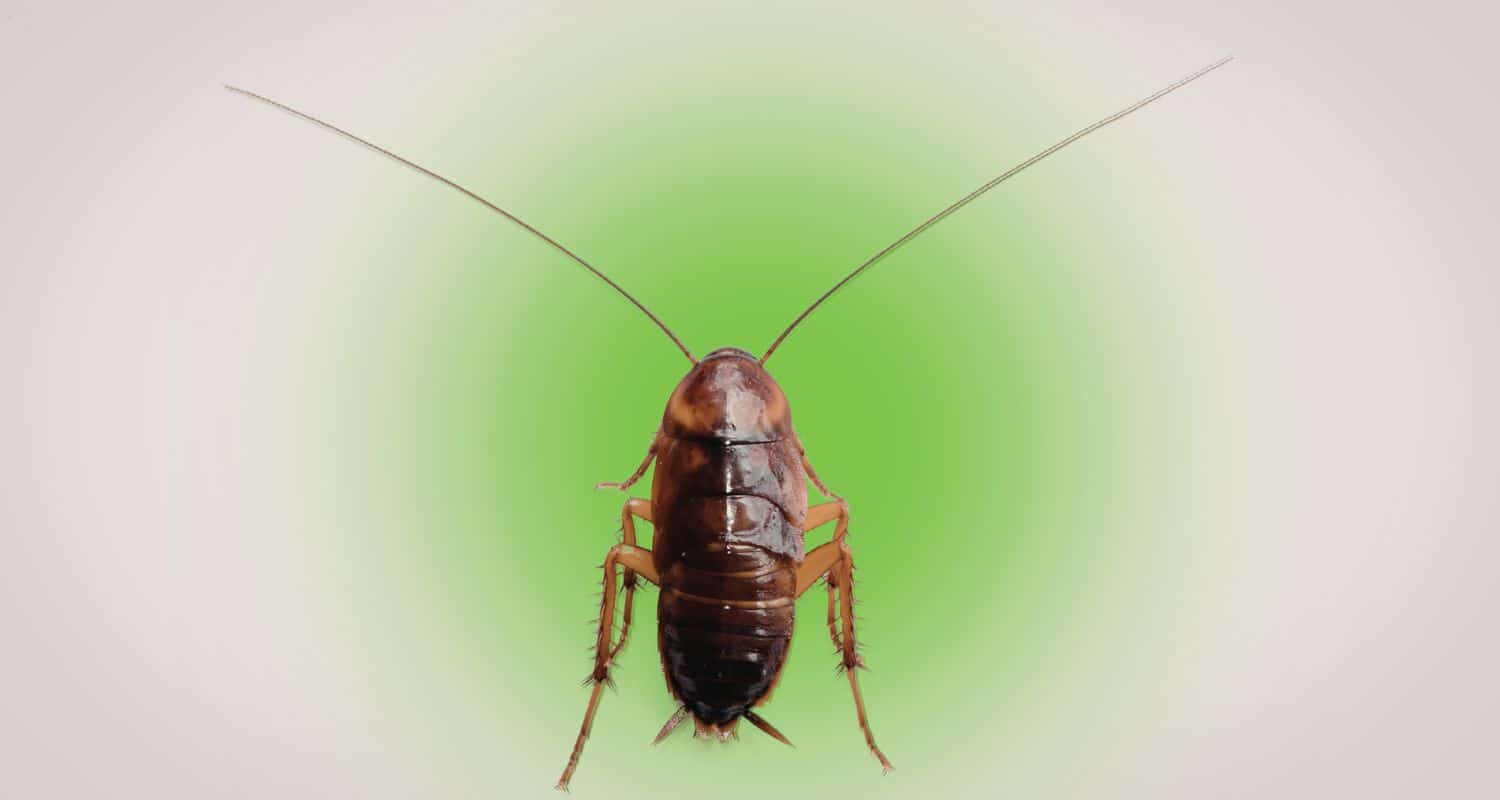
Finding roaches in house settings is a stressful experience for any Atlanta homeowner. These resilient pests are experts at finding tiny gaps to enter your living space. If you see a few roaches, there is a high probability that a larger cockroach infestation is hiding nearby.
In Georgia, our humid environments let cockroach populations thrive year-round. They do not just wander in through the front door. They use utility lines, foundation cracks, and even cardboard boxes to hitch a ride.
By identifying these entry points and understanding the specific cockroach species in our area, you can create a stronger barrier against future pests.
The Most Common Roaches in Atlanta
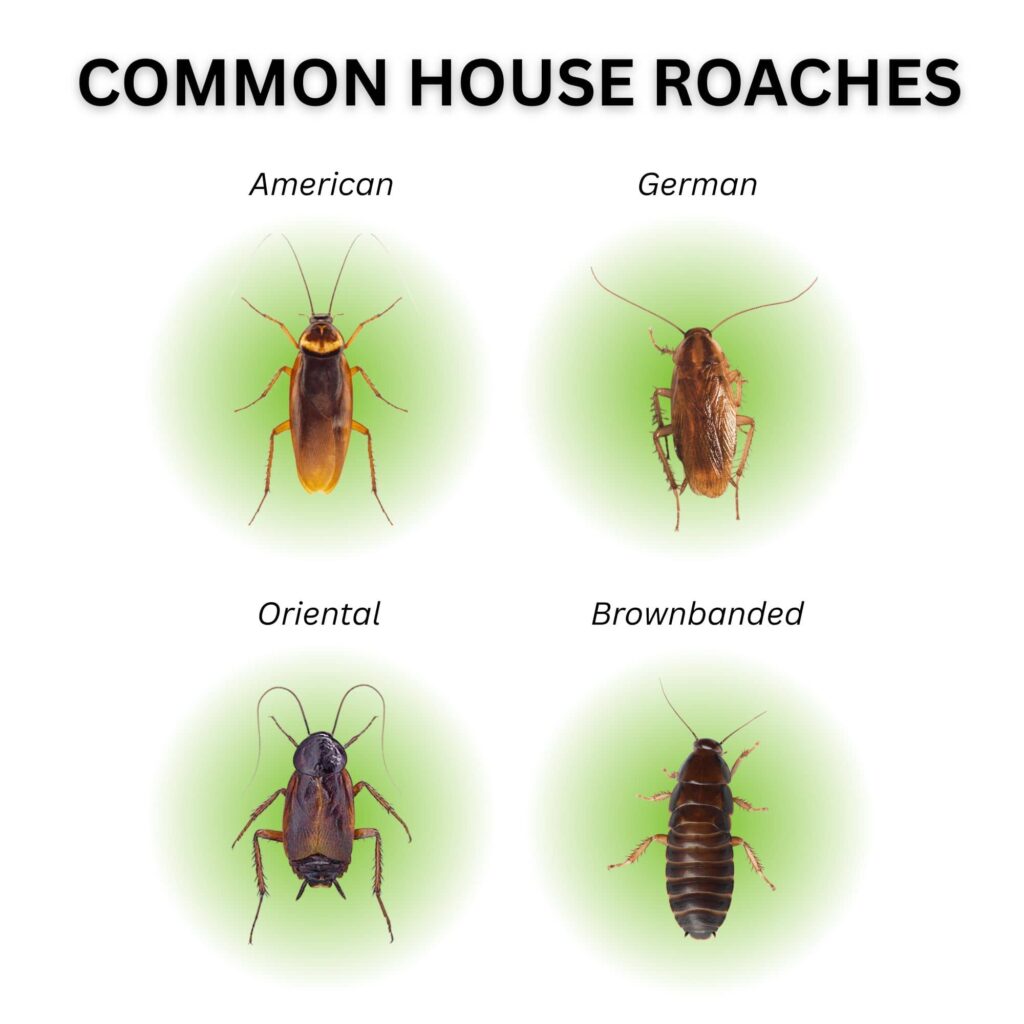
Before you can exclude roaches, you need to know which species you are fighting. The most common cockroach species are the American cockroach, the brown-banded cockroach, the German cockroach, and the oriental cockroach.
Each one has a different preferred entry method and hiding places.
American Cockroach
The American cockroach is one of the largest cockroach species, measuring around 1.5 to 2 inches long. It is reddish brown in color. These pests prefer warm and humid environments, usually with temperatures above 82 degrees.
You will commonly find them in sewers and basements. Because they are strong flyers, they often enter through attic vents or high windows.
German Cockroach
The German cockroach is a small species, reaching about 0.5 to 0.6 inches long. It is light brown or tan with two dark stripes running down its back. The German cockroach is the most common indoor species, especially in multi-unit housing.
They prefer warm, humid areas close to food and water sources. These adult roaches reproduce rapidly, with females producing multiple egg capsules throughout their lifespan.
Oriental Cockroach
The oriental cockroach is larger than many other common cockroach species, measuring around 1 to 1.25 inches long as an adult. It is shiny black or dark brown with a relatively flat body.
This species is sometimes referred to as a water bug and lives in cool, dark, damp places like garages, basements, and drains.
Brownbanded Cockroach
The brownbanded cockroach is a smaller species, typically about half an inch long. It is light brown with two distinctive bands across its wings and abdomen.
The brown-banded cockroach prefers higher temperatures and is often found in warm areas like electronics, kitchen appliances, and light fixtures.
Where Roaches Enter Your Atlanta Home
Roaches in house environments typically enter through areas where the exterior seal of the building has failed. Roaches can squeeze through gaps as small as 1/16th of an inch, making sealing gaps and cracks crucial in prevention.
Windows and Doors
Worn-out door sweeps or gaps in window screens are the most common culprits. If you can see light under your front door while it is closed, roaches can enter easily.
Georgia humidity can also cause wooden door frames to warp, creating new cracks and crevices.
Utility Pass-throughs
Pests follow the warmth and moisture of pipes. Caulking or using spray foam can fill cracks in walls and gaps around plumbing pipes to prevent roaches from entering.
Look under your kitchen and bathroom sinks to ensure the area where the pipe meets the wall is fully sealed.
Foundation and Shared Walls
Small fissures in your concrete are large enough for a roach to squeeze through. Sealing shared walls is also important for apartment dwellers to prevent roaches from migrating between units.
If you live in a townhome in Buckhead or Midtown, your neighbor’s roach problem can quickly become yours if these walls are not secure.
Vents and Drains
Dryer vents and attic soffits provide a direct path from the outside. The oriental cockroach often use drains to enter. If a guest bathroom is rarely used, the water in the drain trap can evaporate, allowing roaches to crawl directly up from the sewer pipes.
Why Roaches Target Your Kitchen and Bathroom
Cockroaches are primarily nocturnal insects that prefer warm, moist places where they can feed on human and pet foods.
They tend to congregate in corners while foraging and generally travel along the edges of walls. They prefer to live near reliable water sources, such as faucets in a kitchen or bathroom.
Once they find a way in, they look for food sources. They feed on a wide range of organic matter, including food debris, food particles, and food scraps.
Keeping your home clean prevents roaches by removing their food and water sources and hiding places.
| Entry Point | Why They Use It | Solution |
| Kitchen Pipes | Moisture and food smells | Seal with caulk or spray foam |
| Door Sweeps | Easy crawl space entry | Install heavy-duty rubber sweeps |
| Garage Door | Large gaps at corners | Replace weather seals |
| Wall Vents | Path for German roaches | Install fine mesh screens |
How to Prevent Cockroaches and Eliminate Hiding Spots
To prevent cockroaches, one must seal entry points, eliminate food and water sources, and reduce clutter in the environment.
Removing clutter, such as stacks of newspapers and cardboard boxes, helps eliminate hiding spots for roaches.
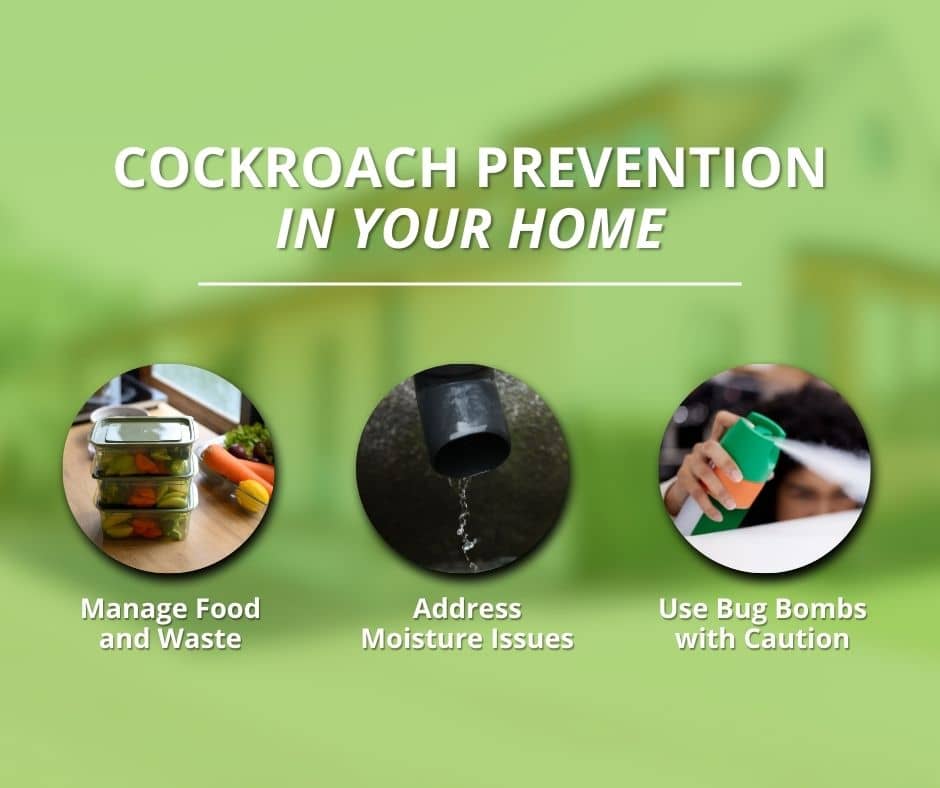
Manage Food and Waste
Managing food involves storing it in airtight containers and never leaving dirty dishes in the sink overnight. Clean up clutter in your home or garage to eliminate potential hiding spots.
Using trash cans with tight-fitting lids and emptying them daily is essential in keeping an environment inhospitable for roaches. You should also vacuum regularly to remove crumbs, dirt, and other debris that cockroaches may be attracted to.
Address Moisture Issues
Fix any leaky pipes or areas where water pools or drips, as water sources attract cockroaches. In Atlanta, many roach infestations in house scenarios start in damp crawl spaces. If you have standing water under your home, it will attract the American cockroach and the oriental cockroach.
DIY Methods for Cockroach Control
While a professional is often needed for heavy infestations, there are DIY tools to help monitor cockroach activity.
- Sticky Traps: These are effective for monitoring cockroach populations and can help identify where they are concentrated.
- Boric Acid: Boric acid acts as a low-toxicity powder that kills roaches when they groom themselves after walking through it. Boric acid and diatomaceous earth, when applied in cracks and crevices, kill roaches by dehydration.
- Bait Stations and Gel Baits: Gel baits are considered the most effective tool for DIY and professional roach control. Baits contain insecticide that may not only kill the roach that ingests it, but also have a secondary transfer to other roaches.
- Diatomaceous Earth: This powder dehydrates roaches on contact. Ensure you use food-grade diatomaceous earth for safety around pets.
Be careful with bug bombs or essential oils. These often only scatter the roaches or provide a temporary scent without solving the underlying cockroach infestation.
The Dangers of a Cockroach Infestation
Roaches are more than just a nuisance. Cockroaches can transmit diseases, contaminate food, and trigger allergies in sensitive individuals. They are known to contaminate food preparation surfaces, dishes, and eating utensils.
Cockroaches can mechanically transfer pathogens that cause illnesses such as E. coli and Salmonella. Furthermore, cockroach debris, such as feces and shed skins, can cause allergies and asthma.
Fragments of cockroach exoskeletons and cockroach eggs serve as antigens that can cause serious respiratory reactions when inhaled. Recognizing the signs of cockroach activity, such as roach droppings, egg casings, and a musty odor, can help homeowners address infestations early.
Other Recommended Maintenance and Related Questions
How do I stop roaches from hitchhiking into my home?
Inspecting grocery bags, deliveries, and used furniture can prevent roaches from hitchhiking into homes. Always break down cardboard boxes outside and move them to the recycling bin immediately.
What is the cockroach life cycle?
The cockroach life cycle includes the egg, nymph, and adult stages. When cockroach eggs hatch, the nymphs look like smaller versions of adults but without wings. Using insect growth regulators (IGRs) prevents immature roaches from maturing into fertile adults.
What is an integrated pest management (IPM) approach?
An integrated pest management (IPM) approach uses several control methods, including sanitation, exclusion, and targeted chemical treatments. This is usually required for effective cockroach management.
When to Call a Pest Control Professional
Professional extermination is often necessary for severe or persistent infestations of German cockroaches. If you have tried to kill roaches with store-bought sprays and still see other roaches daily, the nest is likely deep within your walls.
A pest control professional can perform a thorough inspection to find cockroaches in areas you might miss. At All South Pest Control, we use advanced tools like insecticidal dusts for wall voids and high-quality gel baits.
We also specialize in crawl spaces, which are a primary source of moisture for Atlanta pests.
Conclusion
Preventing roaches in your house is a continuous process of sealing gaps and maintaining a clean environment. By managing your food and water sources and blocking entry points, you can protect your Atlanta home from these resilient pests.
If your roach problem has become a heavy infestation, do not wait. Contact All South to implement a complete cockroach control plan today.

Recent Comments