

The great outdoors: a place for relaxation, fun, and unfortunately, mosquitoes. These buzzing intruders often turn our peaceful moments under the sun or stars into a swatting spree. But don’t worry! The days of sitting uncomfortably outside are about to change.
In this guide, we’ll unlock the secrets to enjoying your outdoor space without the uninvited, pesky guests. From nature-inspired repellents to savvy yard maintenance tips, we’ve got you covered.
Understanding Why Mosquitoes Are Crashing Your Party
Before diving into repelling strategies, it’s helpful to understand why mosquitoes target us. These tiny pests are attracted to the carbon dioxide we exhale, body heat, and certain skin odors.
This explains why some people seem to get bitten more than others. Mosquitoes are most active during dawn and dusk, but can also be found in shaded, humid areas at other times.
The Atlanta Challenge: Why Our Mosquitoes are Different
If you live in the metro-Atlanta area, you know that mosquito season isn’t just a few weeks in July: it’s a marathon that often runs from March through November. Georgia’s humid subtropical climate is the perfect incubator for two specific troublemakers: the common Culex mosquito and the aggressive Asian Tiger Mosquito.
Unlike many species that only come out at night, the Asian Tiger is a daytime feeder. This means that if you’re enjoying a Saturday afternoon BBQ in Atlanta, you are likely being targeted by a mosquito that thrives in our thick English Ivy and damp pine straw. Understanding that we face a 24/7 threat is the first step in reclaiming your backyard.
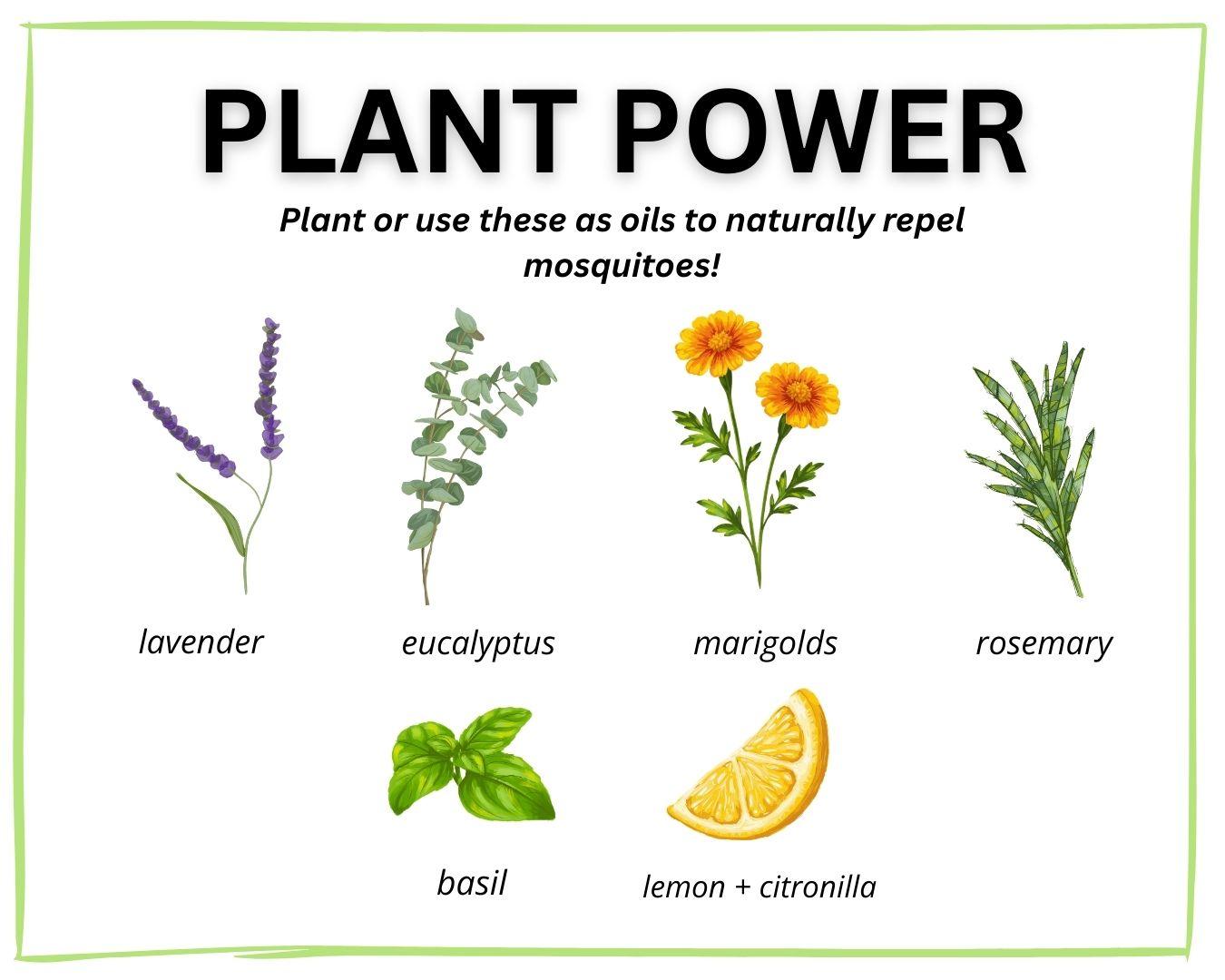
Natural Options for Mosquito Repellent
Now that we understand what draws mosquitoes to us, let’s focus on how to naturally discourage their visits. Atlanta’s heavy humidity often requires a more robust natural approach.
Nature offers a plethora of solutions that can help keep these buzzing pests at a distance, without the need for harsh chemicals.
The Classic Repellent
Citronella oil, extracted from lemongrass, is a popular natural mosquito repellent. Its strong scent masks the odors that attract mosquitoes, effectively making you less noticeable to them.
Consider citronella candles or torches for your outdoor areas; they not only create a mosquito-repellent zone but also add a cozy ambiance to your evenings.
Lavender
Lavender is loved for its soothing fragrance, but it’s also a natural mosquito repellent. Plant some lavender in your garden or use lavender oil in diffusers to keep these pests away. As a bonus, you get to enjoy its calming scent and beautiful blooms.
Eucalyptus and Lemon Oil
A mixture of essential oils, like eucalyptus and lemon oil, can be a potent deterrent for mosquitoes. This combination, often used in natural mosquito repellents, can be applied to the skin or used in outdoor diffusers. This is also the only plant-based repellent recommended by the CDC.
Mosquito-Repelling Flora
Consider planting mosquito-repelling plants in your garden. Herbs like basil, rosemary, and marigolds not only repel mosquitoes but also add to the aesthetic and culinary value of your garden.
Research suggests planting Lantana or Catnip can actually draw mosquitoes away from your seating area and toward the perimeter.
The “Bottle Cap” Audit
In the South, a single discarded bottle cap or a crumpled tarp can hold enough rainwater to hatch 200–300 eggs. A weekly routine of emptying and discarding any standing water found during a yard walk-through is the most effective natural mosquito control method available.
Using these natural remedies creates a barrier between you and mosquitoes, allowing you to enjoy sitting in your outside space. Remember, while these methods are effective, they work best in combination with other mosquito prevention strategies.
Smart Landscaping and Outdoor Maintenance for Mosquito Control
While natural repellents are effective at keeping mosquitoes away, how you maintain your garden and outdoor spaces plays a significant role in minimizing these pests. Smart landscaping isn’t just about aesthetics; it’s about creating an environment less inviting to mosquitoes.
- Water Management: Mosquitoes lay their eggs in stagnant water, making it crucial to eliminate these breeding grounds. Regularly empty items that collect rainwater, such as plant saucers, birdbaths, buckets, and flower pots. Consider adding a fountain or aerator to keep the water moving in ponds, and clean clogged gutters to prevent water accumulation.
- Trimming and Pruning: Keep your lawn, garden beds, and shrubs well-trimmed. Overgrown vegetation and tall grass provide mosquitoes with cool, shaded spots to rest during the hot parts of the day. Regular pruning improves air circulation, which mosquitoes dislike.
- Choose the Right Plants: Naturally incorporate certain plants known to repel mosquitoes, such as citronella, lavender, marigolds, and catnip. Planting these near patios, windows, or seating areas creates aromatic barriers that help mask the human odors mosquitoes are attracted to.
- Outdoor Lighting: Mosquitoes are less attracted to specific types of light. Opt for LED or yellow bug lights in your outdoor spaces to reduce your appeal to these nocturnal pests. Swapping standard white bulbs for yellow-spectrum lighting can effectively “turn off the porch light” for mosquitoes.
- Creating a Dry Buffer Zone: Establish a 10-foot “bullseye” buffer around your patio by replacing organic mulch or pine straw within three feet of your seating area with crushed stone or pea gravel. These materials stay dry and hot, creating a “no-man ‘s-land” mosquitoes hate to cross.
- Enhance Airflow: Since mosquitoes are weak flyers, averaging only 1–1.5 mph, placing an oscillating fan on your patio creates airflow that acts as a low-tech, chemical-free method to deter mosquitoes from landing.
Timing Your Outdoor Activities
While mosquitoes can bite at any time, they are most active during the “golden hours” of dawn and dusk. In the Atlanta area, these are also the times when the temperature is most pleasant for being outside.
If you plan to be out during these peak times, it is vital to double up on your defense strategies. Consider using a screened-in porch or a portable pop-up canopy with netting if you are hosting a party late into the evening.
Additionally, using outdoor fans can help keep mosquitoes away, as they struggle to navigate in windy conditions.
Additional Outdoor Maintenance Tips
Effective mosquito control extends beyond direct repellents and landscaping. Regularly clean gutters to prevent standing water, maintain your lawn by cutting grass and removing yard debris, and keep outdoor furniture clean and dry to avoid hidden water collection spots.
These practices not only deter mosquitoes but also help control other pests, contributing to a more enjoyable and pest-free outdoor setting.
Personal Protection Strategies
Alongside environmental strategies, personal protection plays a crucial role in keeping mosquitoes at bay. Simple changes in your attire and behavior can significantly reduce the likelihood of mosquito bites.
- Suitable Clothing: When spending time outside, especially during peak mosquito hours, cover up as much as possible. Long sleeves, pants, and socks can be your best defense against bites. Opt for light-colored clothing, as mosquitoes are more attracted to dark colors.
- Timing is Everything: Try to avoid being outdoors during dusk and dawn, which are peak mosquito activity times. If you plan to be outside during these hours, be extra vigilant with your protective measures.
- Natural Body Repellents: If you prefer a more personal touch, natural body repellents can be effective. Products containing oil of lemon eucalyptus, for instance, are known to provide good protection against mosquitoes. Remember to reapply these products as directed, especially if you’re spending a prolonged period outdoors.
- Stay in Motion: Mosquitoes are more likely to target stationary individuals. If you’re outside, try to keep moving. Activities like walking or light yard work can reduce your chances of being bitten.
The Atlanta Mosquito Calendar
In Georgia, “mosquito season” isn’t a single event. Instead, it’s a shifting battle that changes with our humidity and temperature. To keep your outdoor spaces usable, you need to adapt your strategy as the seasons change.
Here is your month-by-month guide to staying ahead of the swarm in the Atlanta climate.
Georgia Mosquito Activity by Month
| Season | Activity Level | Best Prevention Method |
|---|---|---|
| Spring | Moderate | Clear gutters and dump standing water |
| Summer | High | Fans, repellents, and professional treatment |
| Fall | Moderate | Maintain lawn and trim back heavy foliage |
| Winter | Low | Inspect yard for future drainage issues |
Other Recommended Maintenance
Effective mosquito control extends beyond direct repellent methods; it encompasses overall outdoor maintenance. Regular gutter cleaning is essential, not just to prevent water damage to your home but also to eliminate potential mosquito breeding grounds.
Similarly, maintaining your lawn, including timely grass cutting and removing yard debris, plays a pivotal role in deterring various pests, including mosquitoes.
Don’t forget the importance of keeping your outdoor furniture clean and dry. Pooled water in furniture crevices can unexpectedly become a haven for mosquito eggs.
By keeping your yard and furniture well-maintained, you’re taking a holistic approach to create a more inviting, pest-free outdoor space.
Related Questions
Does patio furniture attract more mosquitoes? While the furniture itself does not attract them, the dark shadows underneath and damp cushions certainly can. Mosquitos love dark and cool places to hide from the hot Georgia sun. If your patio furniture has thick cushions that stay wet after a rainstorm, it might be an inviting spot for them to rest right where you sit. Keeping your outdoor furniture clean and dry is a simple way to make your seating area less attractive to pests.
Do bug zappers actually work for mosquitoes? Actually, bug zappers are often counterproductive. They tend to kill beneficial insects like moths and beetles while ignoring mosquitoes. In some cases, the light can even attract more insects to your yard than were there originally. Stick to fans and repellents for better results.
How long does professional mosquito treatment last? Most professional treatments provide a significant reduction in mosquito activity for about 21 to 30 days. Because Georgia has a long growing season, regular monthly applications from March through October are recommended to maintain a bug-free environment.
When to Call a Professional
While these DIY strategies can be effective in keeping mosquitoes at bay, there are times when professional intervention becomes necessary. If you find yourself constantly battling against swarms of mosquitoes despite your best efforts, it might be time to call in pest control experts.
Professionals bring expertise and advanced methods to tackle mosquito infestations comprehensively. They can identify and treat breeding grounds that are difficult to manage on your own and provide long-term solutions. Additionally, if you’re planning a special outdoor event and want to ensure a mosquito-free environment, seeking professional services can offer peace of mind.
Remember, the goal is to enjoy your outdoor spaces, and sometimes, enlisting professional help is the quickest path to comfort and safety.
Conclusion
As we’ve explored, keeping mosquitoes away while sitting outside isn’t just about battling these tiny intruders. It’s about smartly integrating nature’s offerings with our daily practices. From the soothing scent of lavender in your garden to the strategic trimming of your lawn, each step contributes to a more pleasant, mosquito-free environment.
Remember, your outdoor attire and activities are as important as the citronella candle on your patio table. And when these efforts seem to fall short, don’t hesitate to call in the experts. Their specialized skills can be the final piece in reclaiming your outdoor sanctuary.
For assistance with any existing pest issues or guidance on prevention, schedule online with All South Pest Control in Atlanta, GA, and surrounding areas.

Recent Comments