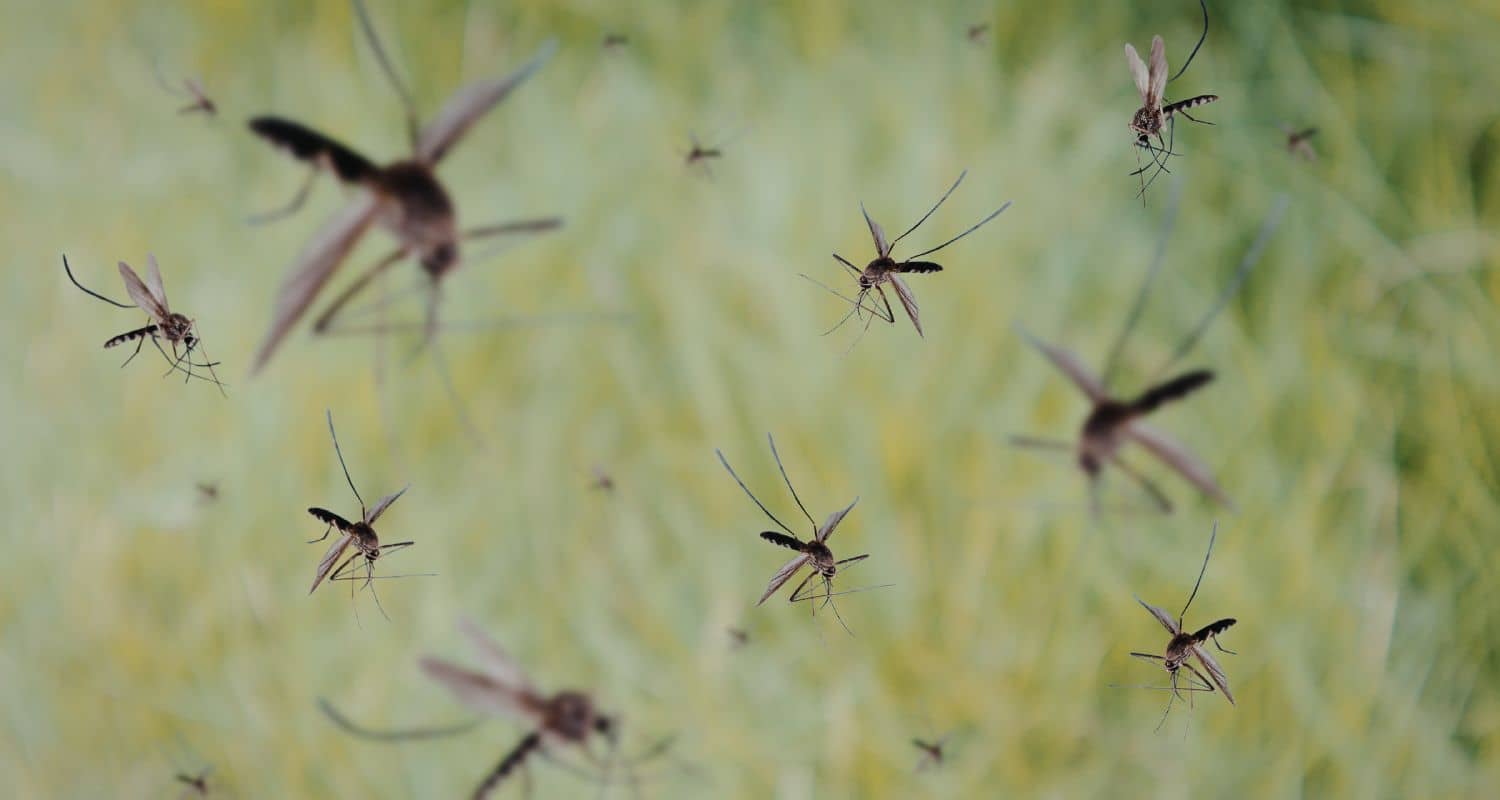
Spring in the Atlanta area doesn’t just bring warmer weather and longer days. It brings pests. Ants trail through kitchens, termites swarm after the first warm rain, mosquitoes start breeding in anything that holds standing water, and rodents that spent winter in your walls begin moving again. For homeowners in the south metro, spring is when pest pressure goes from background noise to a real problem.
Understanding how pest control works helps you make smarter decisions about protecting your home, not just reacting when something shows up. This guide walks you through the process, the methods professionals use, and why spring timing matters more than most homeowners realize.
Why Pest Control Matters So Much in Our Region
Pest control is essential in Georgia to protect our food, homes, and health. In the South Metro area, our humid climate and famous Georgia red clay create a perfect storm for infestations.
The clay retains moisture near your foundation, which provides an ideal environment for subterranean termites to thrive and enter your home undetected.
Pests carry diseases, trigger allergies, and cause serious structural damage. Rodents chew through wiring and insulation, while termites silently destroy wood framing. Cockroaches and ants contaminate surfaces, and local mosquitoes carry viruses like West Nile and Eastern equine encephalitis, both of which are documented in Georgia.
Because of these regional risks, effective pest management is a matter of public health.
All South Pest Control uses a methodical process to address these local threats rather than just spraying and hoping for the best.
Why Spring Is the Most Critical Time
Pest activity accelerates dramatically in spring. As soil temperatures climb above 50 degrees Fahrenheit, insects that spent winter dormant begin emerging, reproducing, and foraging.
In Georgia’s humid subtropical climate, that warming happens earlier than in most of the country, and pest season runs longer as a result.
Spring is when termite swarms typically peak. Subterranean termites release winged reproductives called swarmers once temperatures and humidity hit the right combination.
If you have seen small winged insects near your windows or foundation in March or April, a colony may already be causing structural damage you cannot see. Mosquito populations begin building in spring as well. Females lay eggs in as little as a half inch of standing water.
By summer, populations that started small in April have multiplied significantly. Pest control applied in the spring is preventive. Applied in July, it is reactive. Preventive is almost always less expensive and more effective.
The Pest Control Process
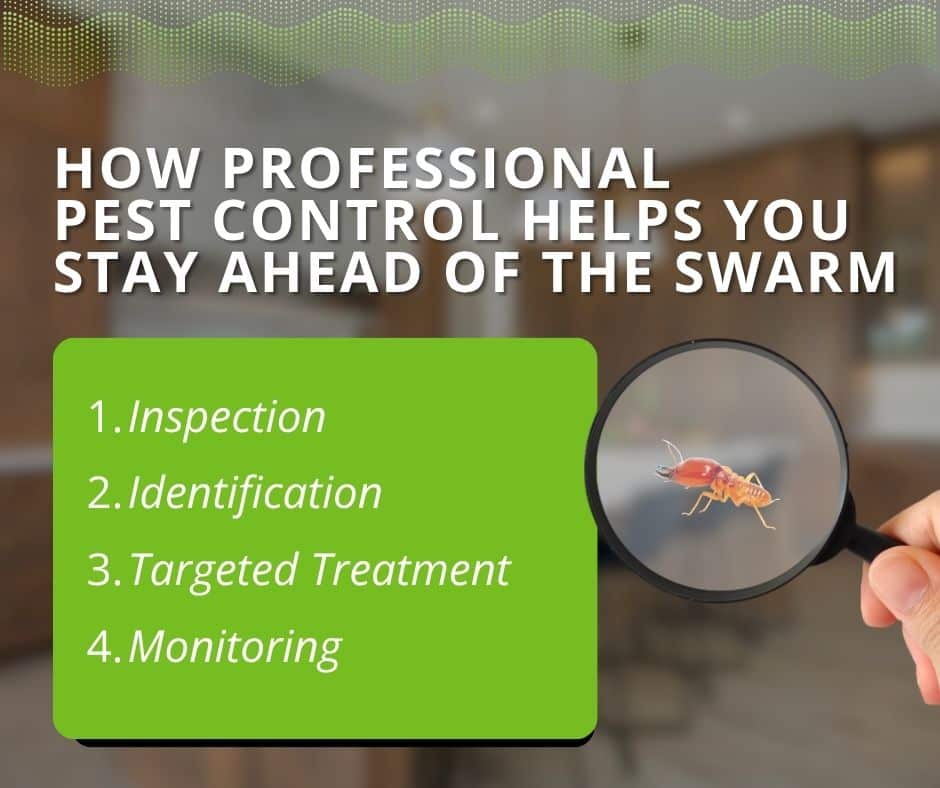
Pest control is the process of eliminating or reducing pest populations through a combination of extermination and prevention methods. A thorough professional service involves four steps.
1. Inspection
Every effective plan starts with identifying the source of the pest problem. A technician evaluates the interior and exterior for signs of active infestation, entry points, moisture conditions sustaining pest activity, and evidence of specific pest species.
At All South, this is formalized through a pest evaluation report that drives the treatment plan.
2. Identification
Different pests require different approaches. Misidentifying the pest leads to the wrong treatment. Proper identification also helps determine action thresholds, meaning how significant the pest population is and what level of intervention is appropriate.
3. Targeted Treatment
Treatment is applied strategically to affected areas using products and methods calibrated to the specific pest and its life stage. Treatments may include pesticides applied as sprays or baits, traps to catch rodents, exclusion work to seal entry points, or a combination of several methods.
4. Monitoring
A single treatment is rarely the complete solution for pests with complex life cycles like cockroaches, termites, or fleas. Professional pest management plans include follow-up visits to monitor effectiveness and achieve long-term control.
The Four Main Pest Control Methods
Pest control methods generally fall into four primary categories.
- Chemical pest control involves applying pesticides, including insecticides and rodenticides, through sprays, baits, or dusts. When applied by licensed technicians, these products target pests while minimizing risk to children, pets, and the broader environment.
- Biological pest control uses natural enemies of pest species, including predators and parasites, to reduce pest populations. Understanding the biology of the pest and what natural checks exist informs how professional treatments are designed.
- Mechanical and physical pest control includes traps to catch rodents, monitors to track insect activity, and exclusion work to seal the gaps and openings pests use to enter a structure.
- Cultural control focuses on modifying the environment to prevent pests from establishing. Proper food storage, reducing clutter, and eliminating standing water remove the conditions pests need to survive. Pest control experts advise on these practices alongside treatment because even the best chemical treatment is less effective when conducive conditions remain.
Integrated Pest Management
Integrated Pest Management, or IPM, blends biological, cultural, physical, and chemical tools to manage pest populations with minimal risk to human health and the environment.
Rather than defaulting immediately to pesticides, IPM combines prevention, monitoring, and targeted treatments applied only when pest activity reaches a threshold that warrants intervention.
It is widely considered the most effective and responsible approach to pest management because it addresses root causes rather than surface symptoms. All South Pest Control applies this thinking across every service it provides.
Spring Pest Control by Pest Type
- Termites cause an estimated $5 billion in property damage in the United States annually, and Georgia homeowners are in one of the highest-risk regions. Severe infestations often go undetected for years because termites work inside walls and structural members.
- Spring treatment options include the Sentricon baiting system, which intercepts foraging termites and eliminates the colony, and liquid barrier treatments that protect the soil around the home.
- Mosquitoes are controlled by targeting both adult mosquitoes resting in vegetation, shaded areas, and the standing water sources where they breed. Spring service is far more effective than trying to reduce pest populations after they peak in midsummer.
- Ants and cockroaches require getting the product to the colony, not just killing the workers you can see. Carpenter ants, which tunnel through damp wood and cause structural damage, are especially active in spring. German roach treatment uses baits and growth regulators that disrupt the roach life cycle rather than relying on surface sprays alone.
- Fleas, ticks, and other common pests, including spiders and centipedes, become more active as temperatures rise. Professional treatment timed before populations establish is far more effective than reactive treatment. For wasp nests, spring treatment when colonies are still small is safer and easier than addressing an established nest in midsummer.
- Rodents that enter homes during winter stay if they find food and shelter. Rodent inspection identifies entry points and harborage areas, followed by exclusion work and traps or baits. Sealing entry points is critical because removing rodents without blocking how they are getting in is only a temporary fix.
What Professional Pest Control Does That DIY Cannot
Over-the-counter products can knock back surface-level pest activity but cannot address root causes, reach pests in harborage areas, or deliver the sustained monitoring that keeps pests from returning.
Effective pest control also requires homeowner cooperation, including proper food storage, regular cleaning, and addressing moisture sources.
Professional technicians bring trained eyes that catch conditions you might not notice, including crawl space moisture attracting pest populations and wood-to-soil contact giving termites direct access to the structure.
At All South Pest Control, crawl space encapsulation and vapor barrier services address the moisture conditions that make pest treatments more effective and longer-lasting.
Other Questions Homeowners Ask About Pest Control
Are pesticides safe for kids and pets? When applied by licensed technicians according to label directions, professional pest control products minimize risk to humans and animals. Your technician will advise on any post-treatment precautions.
How long does pest treatment last? General perimeter treatments protect 30 to 90 days. Sentricon provides ongoing protection as long as the system is maintained. Recurring service plans maintain continuous coverage rather than relying on a single application.
What preventive measures can I take between treatments? Store food in sealed containers, eliminate standing water, keep firewood away from the exterior, seal gaps around doors and windows, and reduce clutter in storage areas. These cultural control steps make professional treatments significantly more effective.
Can pest control services handle infestations in all types of houses? Yes, professional pest control services are equipped to manage infestations in various types of houses, including single-family homes, apartments, and multi-unit buildings. They tailor their approach based on the structure and pest species involved.
What are the potential harms of improper pest control? Improper pest control, such as misuse of pesticides or incomplete treatments, can lead to more pests, the development of pesticide resistance, and potential harm to humans, pets, and the environment. It is important to use licensed professionals who understand safe and effective pest management.
When to Call a Professional
You should call All South Pest Control if you notice active termite swarmers or mud tubes, or if ant trails, cockroaches, or bed bugs persist despite attempts with over-the-counter treatments. Other signs include hearing scratching noises inside walls at night, seeing wasp nests forming near entry points, or dealing with fleas or ticks that affect your pets or family.
Additionally, it is important to seek a pest evaluation report when buying or selling a home. Scheduling an evaluation in spring is recommended, even if there is no visible pest activity.
Spring is the best time to schedule an evaluation, even without visible pest activity. Catching early-stage infestations before they escalate is far less costly than addressing a severe infestation later.
Conclusion
How pest control works comes down to this: inspect, identify, treat, and monitor, with the right combination of chemical, biological, mechanical, and cultural methods applied by trained experts. When that process is applied in spring before pest populations peak, it is the most cost-effective protection a homeowner can invest in.
All South Pest Control has been serving homeowners across McDonough, Griffin, Stockbridge, Jonesboro, Fayetteville, Conyers, and the entire south metro Atlanta area for over 15 years.
Whether you need a termite inspection, mosquito control, rodent inspection, flea and tick treatment, or a comprehensive pest evaluation report, we are ready to help you get ahead of the season.

Recent Comments