
Seasonal pest control means adjusting pest prevention and treatment to match which pests are active at a given time of year, rather than waiting until you spot a problem. In Georgia’s climate, that matters more than in most states: mild winters mean pests here rarely go fully dormant, and each season brings a different set of invaders to a Metro South home.
Why Pest Activity Changes With the Seasons
Pests are driven by temperature, humidity, and food availability, all of which shift throughout the year. In Georgia, warm falls and short winters mean many pests stay active longer than they would in colder climates, and some, like rodents, become more likely to move indoors as outdoor temperatures drop rather than disappearing.
A pest control plan built around a single treatment misses this. A seasonal approach treats the specific pressures of each quarter instead of applying one generic strategy year-round.
Quick reference: what to watch for by season
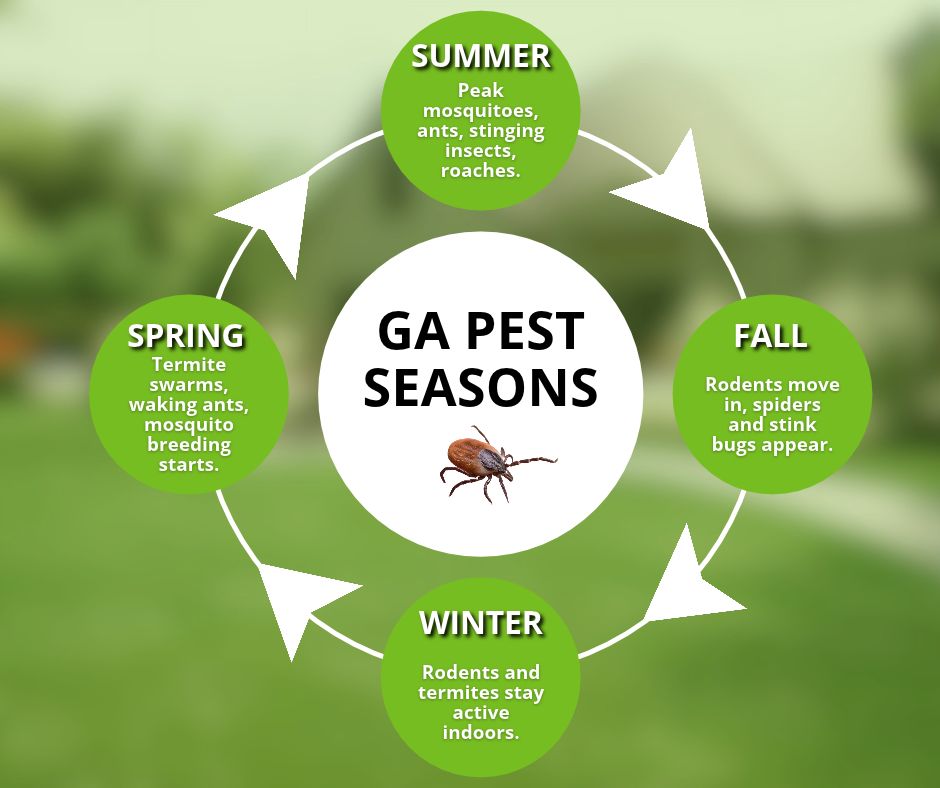
| Season | Primary Pests | Why |
| Spring | Termites (swarmers), ants, mosquitoes | Warming soil and spring rains create breeding sites |
| Summer | Mosquitoes, ants, stinging insects, cockroaches | Peak heat and humidity, colonies at full size |
| Fall | Rodents, spiders, stink bugs | Pests seek shelter as temps drop |
| Winter | Rodents, termites (underground), cockroaches | Georgia rarely gets cold enough to fully halt activity |
Spring Pest Control
Many of Georgia’s most damaging pests become active again in the spring.
- Termites: Swarmers, winged termites looking to start new colonies, typically appear in early spring, often inside homes near windows and doors. A termite swarm is frequently the first visible sign of an existing colony.
- Ants: Warming soil brings ant colonies out of winter dormancy. Several species commonly invade Georgia homes looking for food and moisture.
- Mosquitoes: Standing water from spring rains creates breeding sites. Early-season mosquito control focuses on treating these areas before populations explode.
Spring checklist:
- Watch for winged swarmers near windows and doors in March and April
- Walk the yard after rain and dump any standing water (gutters, plant saucers, unused containers)
- Have an exterior perimeter treatment done before ant trails become established indoors
Peak Pressure
Summer is the busiest season for pest activity in Georgia.
- Mosquitoes and ants are at their most active, often requiring more frequent treatment than in cooler months.
- Stinging insects like wasps, hornets, and bees become more aggressive as colonies reach peak size in mid-to-late summer.
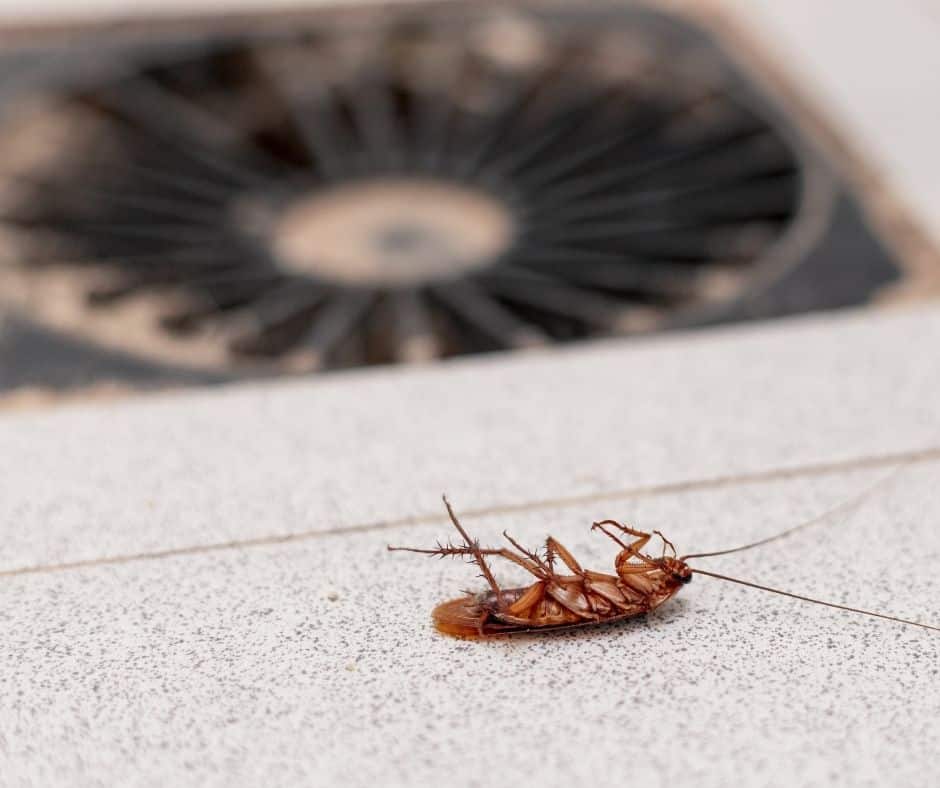
- Cockroaches thrive in summer heat and humidity, especially around kitchens, bathrooms, and areas with excess moisture.
Summer is the one season where waiting a few extra weeks between treatments actually shows up as a noticeable increase in activity. Mosquito and ant populations can rebound fast in Georgia’s heat, which is why summer service intervals are typically shorter than the rest of the year.
The Move-Indoors Season
As temperatures start to drop in the Fall, many pests seek shelter, and homes are an easy target.
- Rodents begin looking for warm places to nest, making fall the season when mice and rat activity in and around homes typically increases.
- Spiders become more visible as they seek food and shelter indoors.
- Stink bugs and other overwintering pests cluster on sunny, south-facing exterior walls before finding a way inside.
Fall is also a good time for a full exterior inspection, since sealing entry points now prevents the winter rodent problems that start when temperatures drop further.
Fall exterior check, in order:
- Walk the foundation looking for gaps larger than a quarter-inch, a rodent’s typical entry threshold.
- Check weatherstripping on doors and garage seals.
- Trim vegetation and tree limbs touching the roofline, a common rodent and insect access point.
- Inspect and repair damaged window and vent screens.
- Clear leaf litter and debris from against the foundation, which holds moisture and shelters overwintering insects.
Georgia Pests Don’t Stop in Winter
Unlike colder regions, Georgia winters rarely kill off pest populations entirely.
- Rodents remain a top concern indoors, since they’re now sheltering inside walls, attics, and crawl spaces.
- Termites stay active underground even when it’s too cold for swarming, since subterranean colonies are insulated from surface temperature swings.
- Cockroaches and other pests may retreat to warmer voids within the home rather than disappearing.
Year-Round Pest Control Vs. One-Time Treatments
A single treatment addresses whatever is active at that moment, but it doesn’t account for what’s coming next season.
Year-round pest control programs are built around this seasonal shift: they treat for spring swarmers before they emerge, ramp up mosquito and ant control through summer, seal entry points before fall’s move-indoors push, and keep rodent and termite protection active through winter.
This proactive rhythm is generally more effective, and often more affordable over a year, than paying for repeated one-off treatments after pests are already established.
Side-by-side comparison of treatment types:
| One-Time Treatment | Seasonal Program | |
| Timing | Reactive, after a problem is visible | Proactive, ahead of each season’s pressure |
| Coverage | Whatever pest is active right now | Termites, ants, mosquitoes, rodents, and stinging insects across the year |
| Cost pattern | Repeated emergency calls add up | Predictable, budgeted cost |
| Effectiveness | Addresses the immediate problem only | Interrupts pest life cycles before populations build |
Common Seasonal Pest Control Mistakes
- Only calling when a problem is already visible. By the time ants are trailing across a counter or a wasp nest is obvious under the eaves, the colony has usually had weeks to establish itself.
- Treating spring and fall the same way. Spring pressure (termites, ants, mosquitoes) and fall pressure (rodents, overwintering insects) call for different priorities, even though both are “transition seasons.”
- Skipping winter service because activity looks lower. Georgia’s mild winters mean termites and rodents rarely go fully dormant, so skipping this season creates an opening for both to establish before spring.
- Assuming one exterior treatment covers the whole year. Pest pressure shifts every few months here, which is the entire premise behind a seasonal program instead of a single annual visit.
A Note on DIY Seasonal Prevention
Homeowners can meaningfully reduce pest pressure between professional visits with a few consistent habits:
- keeping gutters clear so water doesn’t pool near the foundation
- storing firewood away from the house rather than stacked against it
- addressing moisture issues (leaky spigots, AC condensation lines, poor drainage) as soon as they’re noticed.
None of these replace a professional treatment program, since DIY products generally only address surface-level activity, but they reduce how hard that program has to work each season.
How Metro South’s Climate Shapes the Calendar
McDonough and the broader Atlanta metro sit in a humid subtropical zone, which means the seasonal shifts driving this guide are more pronounced here than in drier or colder parts of the country. Summers run long and humid, which extends the mosquito and ant season well past what homeowners moving from cooler climates might expect.
Winters rarely dip cold enough for long enough to fully suppress termite or rodent activity, which is exactly why the “does Georgia need winter pest control” question comes up so often. Local climate, more than a generic national guide, is really what should set the treatment calendar for a Metro South home.
Related Questions to Explore
- How often should pest control be done in Georgia? Most Georgia homes benefit from quarterly treatments at minimum, timed to address the specific pests active each season, with more frequent visits during peak mosquito and ant season in summer.
- What pests are most common in Georgia in the fall? Rodents, spiders, and overwintering insects like stink bugs are the most common fall invaders as they seek warmth and shelter indoors.
- Do I need pest control in the winter if I don’t see bugs? Yes. Many pests, including termites and rodents, remain active indoors or underground through winter even though outdoor activity slows down.
- What is a termite swarm and when does it happen? A termite swarm is a group of winged, reproductive termites leaving an established colony to start new ones, most commonly seen in early spring in Georgia.
- Is seasonal pest control more expensive than one-time treatments? Not typically. Ongoing seasonal programs are usually more cost-effective over a year than paying for multiple emergency treatments after an infestation has already taken hold.
When to Call a Professional
If you’re seeing repeat pest problems every few months, that’s a sign a one-time treatment isn’t addressing the underlying seasonal pattern.
It’s also worth calling a professional at the start of spring and fall specifically, since these transition seasons are when termite swarmers, rodents, and overwintering pests are easiest to intercept before they establish themselves indoors.
Building a Seasonal Plan That Actually Fits Your Home
Not every home needs the same intensity of coverage across every pest category. A home backing up to wooded or undeveloped land will generally see more pressure from rodents, ants, and stinging insects than one in a dense residential neighborhood, while homes with mature landscaping close to the foundation tend to see more moisture-related pest activity regardless of season.
Older homes with less sealed construction are more vulnerable to the fall move-indoors push than newer, tightly sealed builds. A one-size-fits-all seasonal calendar is a reasonable starting point, but the most effective seasonal pest control plans get adjusted for a property’s specific landscaping, age, and surroundings rather than applied identically to every address in the service area.
Conclusion
All South Pest Control builds pest protection around Georgia’s actual seasonal pest pressure, not a one-size-fits-all schedule. From spring termite swarms to summer mosquito surges and fall rodent intrusions, our technicians adjust treatments to match what’s actually threatening your home throughout the year.
This proactive, season-by-season approach means fewer surprises and stronger protection than a generic quarterly spray ever could offer. Contact us today to set up a year-round pest control plan for your home.

Recent Comments