

Silverfish are attracted to damp, dark spaces and starchy things to eat, like paper, book glue, cardboard, and pantry crumbs. If you spot one, your home is giving it water, food, or a place to hide. At All South Pest Control in McDonough, GA, we see the same handful of causes again and again. This guide covers each one and shows you what to fix first.
What Are Silverfish?
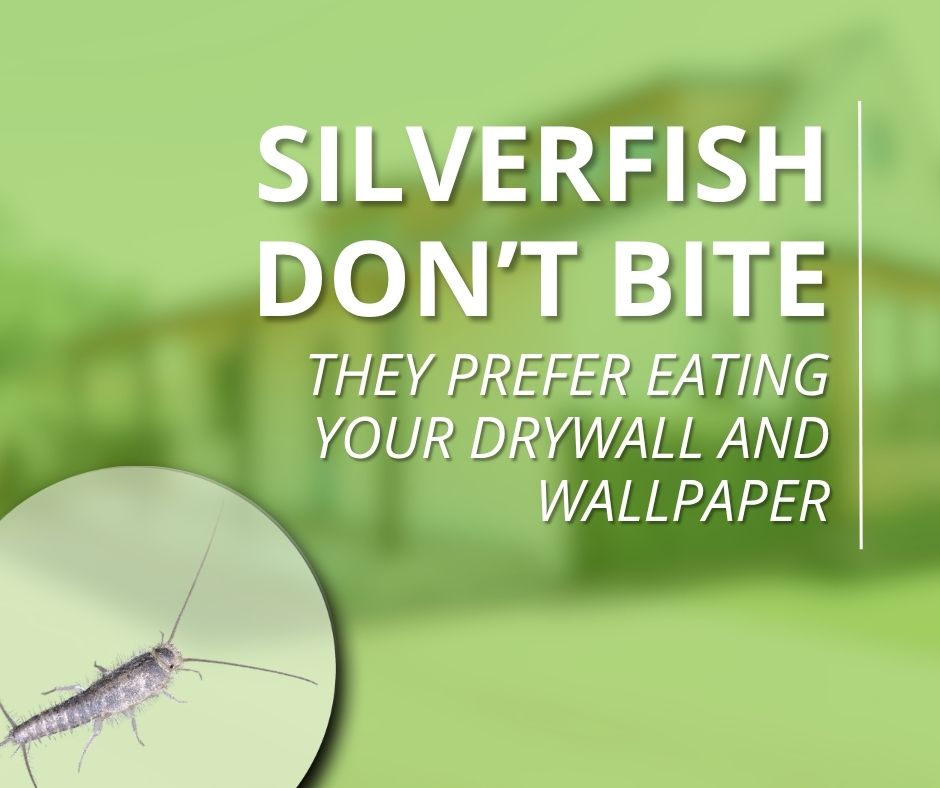
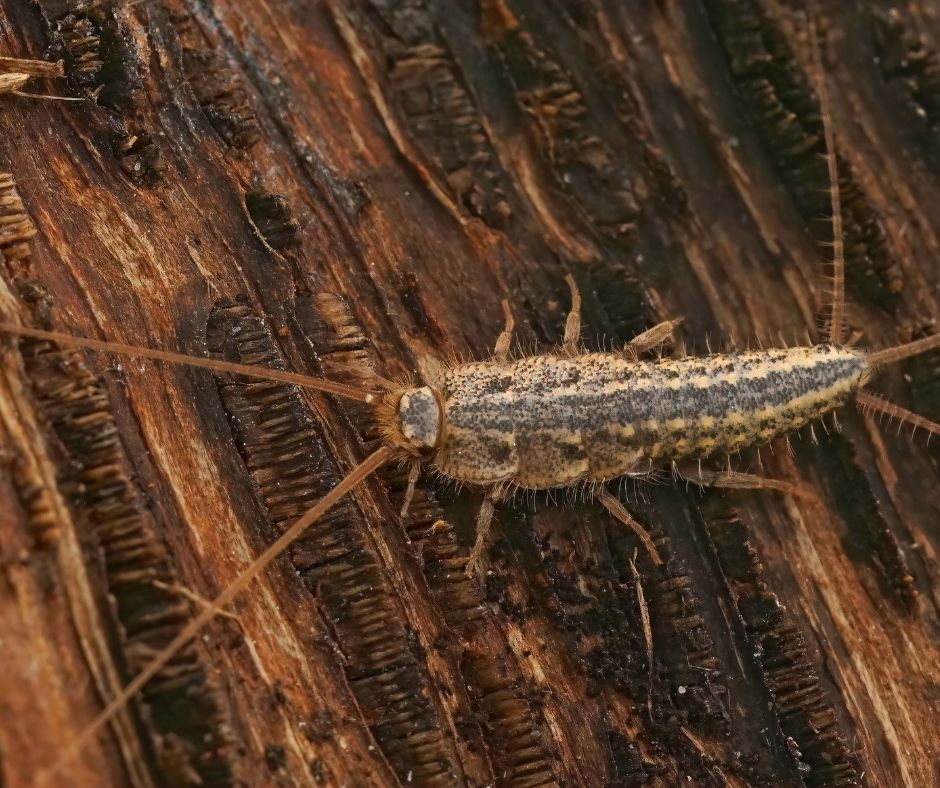
Silverfish are small, wingless insects with flat, silvery bodies and three long bristles at the tail. They are active at night, move fast, and hide in dark, damp spots during the day. They do not bite or sting, but they can damage paper, fabric, and food.
Moisture Is the Biggest Draw
Silverfish are attracted to moisture more than anything else. They need humid air to live, so they head for the dampest spots in your home. Pest experts at the University of California say silverfish do best in damp, warm places, with temperatures from about 71 to 90 degrees.
Georgia homes give them plenty to work with. Our summers are muggy, and a small leak can make a room humid fast. These are the usual damp spots:
- Bathrooms, especially under the sink and behind the toilet
- Kitchens, near the dishwasher and under the sink
- Laundry rooms and utility closets
- Basements, garages, and crawl spaces
- Areas near leaky pipes, drip pans, or a water heater
Here is a quick look at where silverfish hide and why they like it there.
| Where | Why silverfish like it | What helps |
| Bathroom and kitchen cabinets | Steam and small leaks keep the air damp | Fix drips and run the vent fan |
| Basement or crawl space | Cool, dark, and humid, with stored boxes | Dehumidifier and a vapor barrier |
| Laundry room | Damp air from the washer and dryer | Vent the dryer outside and wipe up spills |
| Attic or closet | Quiet, untouched storage | Use sealed bins and clear out clutter |
Damp wood also draws termites. If you find a moisture problem, ask about a termite inspection at the same time.
Favorite Snacks: Paper, Glue, and Cardboard
Silverfish eat starch, and paper is full of it. Extension experts at Utah State University list paper, fabrics, and the glue or paste in books as part of their diet. Silverfish also eat dead insects.
Watch for these:
- Books and magazines, since silverfish eat the glue in the binding
- Wallpaper, because the paste behind it is starchy
- Old photos and stacks of newspaper
- Cardboard boxes, which give them food and a hiding place at once
Cardboard in a garage or basement is a double win for silverfish. It holds starch, and it soaks up damp from the floor. Switch to plastic bins with tight lids, and your keepsakes are much safer.
Other Draws
Silverfish also go after dry foods. Flour, rolled oats, cereal, pasta, and sugar all have the carbs they like. Pet food has carbs and protein, so it is a top target. They can chew through thin packaging to reach the food inside.
A few easy fixes:
- Store dry goods and pet food in airtight containers
- Sweep crumbs off pantry shelves
- Clean behind the fridge and stove now and then
- Do not leave pet bowls out overnight
Roaches go after many of the same foods. Our post on what cockroaches eat has more pantry tips that help against both pests.
Fabrics and Clothes
Silverfish eat plant-based fabrics like cotton, linen, and silk. Starch or food stains make them even more tempting. Clothes kept in a damp closet or basement are the most at risk.
Wash stained items before you pack them away. Store them in sealed bins, and keep the bins somewhere dry.
Places to Hide
Silverfish are shy. They hide during the day and come out at night to feed. Piles of paper, stacked boxes, and packed closets are perfect hiding spots. They also tuck into cracks and crevices, behind baseboards, and around pipes. Utah State University notes that females lay eggs in cracks and crevices.
Silverfish are not drawn to dirt on their own. But clutter, crumbs, and damp corners add up to a cozy home for them. Cleaning out a closet you never open can make a real difference.
Your Yard and Outside Walls
Silverfish live outdoors first. They are found under bark, in mulch, in leaf piles, and in other damp spots. When their outdoor home gets crowded or dries out, they can move inside through small gaps. They can also ride in on cardboard boxes, bags, and used furniture.
Check these outdoor trouble spots:
- Wet mulch piled against the foundation
- Leaf piles and yard waste near the house
- Clogged gutters that keep walls damp
- Cracks in the foundation or stucco
- Torn window screens and worn door seals
A damp crawl space is another big source. Moisture rises from the soil and spreads through the house. Crawl space encapsulation and vapor barriers cut that moisture off. We explain more in our post on how an encapsulated crawl space keeps pests out.
How to Spot a Silverfish
Silverfish are about half an inch to an inch long and silver or gray, with long antennae and a carrot-shaped body. They dart away fast when you turn on a light.
Look for these signs:
- Tiny black specks, which are droppings
- Yellow stains or shed scales on shelves and paper
- Ragged holes or scrape marks on books, paper, and photos
- Wallpaper that is loose or peeling
- Holes in cardboard boxes or food packages
- Live silverfish stuck in a sink or tub, since the slick sides are too steep to climb
If you see more than one of these signs, silverfish have likely been around for a while.
Why GA Homes See So Many Silverfish
Humidity is the common thread, and Georgia has plenty of it. Warm, wet summers push moisture into crawl spaces, garages, and closets. Air conditioning can add to the problem when cold ducts sweat in a hot attic or crawl space. Homes with older plumbing, bathrooms without vent fans, or a dirt-floor crawl space tend to have more damp pockets than newer, tighter homes.
That is why silverfish often show up in the same few rooms. If you find one in the bathroom, check under the sink for a slow leak. If you find one in the basement, look at the boxes on the floor and the air near the walls.
Silverfish and Their Look-Alikes
Not every small, fast bug is a silverfish. Firebrats look almost the same, but they like heat more than damp. You are more likely to find them near furnaces, water heaters, and attics. Utah State University covers both pests in the same guide, since their habits and food are alike.
Earwigs and young cockroaches can also be mistaken for silverfish. A silverfish has a flat, tapered body, three long tail bristles, and no wings. If you are not sure what you are looking at, take a clear photo or catch one in a jar. A technician can tell you in seconds, and the right ID makes the treatment plan much better.
How to Make Your Home Less Inviting
You can lower the odds of silverfish by taking away what they want. Start with the first step, because moisture matters most.
- Cut moisture. Fix leaky pipes and faucets. Run bathroom and kitchen fans. Use a dehumidifier in damp rooms. Aim for about 50 percent humidity or lower. A low-cost humidity meter from a hardware store shows your level.
- Store things smart. Use plastic bins with lids instead of cardboard. Keep dry food and pet food in airtight containers.
- Clean often. Vacuum cracks, baseboards, and shelves, and empty the vacuum outside. Clear crumbs from the pantry.
- Seal gaps. Caulk cracks around pipes, baseboards, windows, and door trim. Fix torn screens and worn door seals.
- Clear the yard. Pull mulch back from the foundation, clean out gutters, and move leaf piles away from the house.
- Declutter. Clear out stacks of paper and boxes, especially in closets, attics, and the garage.
Even with all of that, silverfish can be hard to remove, and complete control is difficult. That is why a pro can help when sightings keep coming back.
Related Questions to Explore
- Are silverfish attracted to light? No. Silverfish avoid light and prefer dark, damp spots. If you see one near a lamp, it is most likely passing through on the way to food.
- Do silverfish live in drains? No. Silverfish like damp areas, but they do not live in drains or water. They often end up in sinks and tubs because the smooth sides are too slick to climb out.
- Are silverfish attracted to dirty homes? Not by dirt alone. Clutter, crumbs, and damp spaces are what draw them. A tidy home can still get silverfish if moisture is high. The same spots also help roaches, so see what causes cockroaches for more.
- Is one silverfish a problem? Maybe not. One may have wandered in from outside. But silverfish hide well, so ask yourself a few questions. Do you see more of them, find damage, or have damp spots? If you answer yes, it is time to act.
- Are silverfish harmful to people? No. Silverfish do not bite or sting, and they do not spread disease. They can damage paper, fabric, wallpaper, and food, and their scales and droppings may bother people with allergies.
- Where do silverfish come from? Most start outdoors, under rocks, bark, and leaf litter. They get inside through cracks and gaps. They can also hitch a ride on cardboard boxes, bags, and used furniture. Our pest library has more on where silverfish and firebrats live.
- Do silverfish eat clothes? Yes, they can. They go after cotton, linen, and silk, and stains or starch make clothes more tempting. Keep clothes clean, dry, and sealed in bins.
When to Call a Professional
Some silverfish problems are easy to fix at home. Others need a trained eye. Call a pro if:
- You have fixed moisture and food problems, but you still see silverfish after a few weeks
- You find silverfish in more than one room
- You see damage on books, clothes, or wallpaper
- You have a damp basement or crawl space that you cannot dry out on your own
A pro can find where silverfish hide, spot hidden moisture, and treat the cracks and gaps where they travel. Check that any company you hire is licensed. Georgia licenses pest control companies through the Georgia Department of Agriculture. All South Pest Control is licensed through the GDA, is a member of CPCO, and has served McDonough, GA, and the surrounding areas for 16+ years.
If you want a technician to take a look, our one-time pest service is an easy place to start.
Conclusion
Silverfish come for three things: moisture, food, and a place to hide. Here is what to remember:
- Dry out damp areas first, because moisture is the top draw.
- Store paper, clothes, and food in sealed containers.
- Clear clutter and seal cracks so they have nowhere to hide.
Seeing silverfish and not sure why? Call All South Pest Control or get a quote online.

Recent Comments