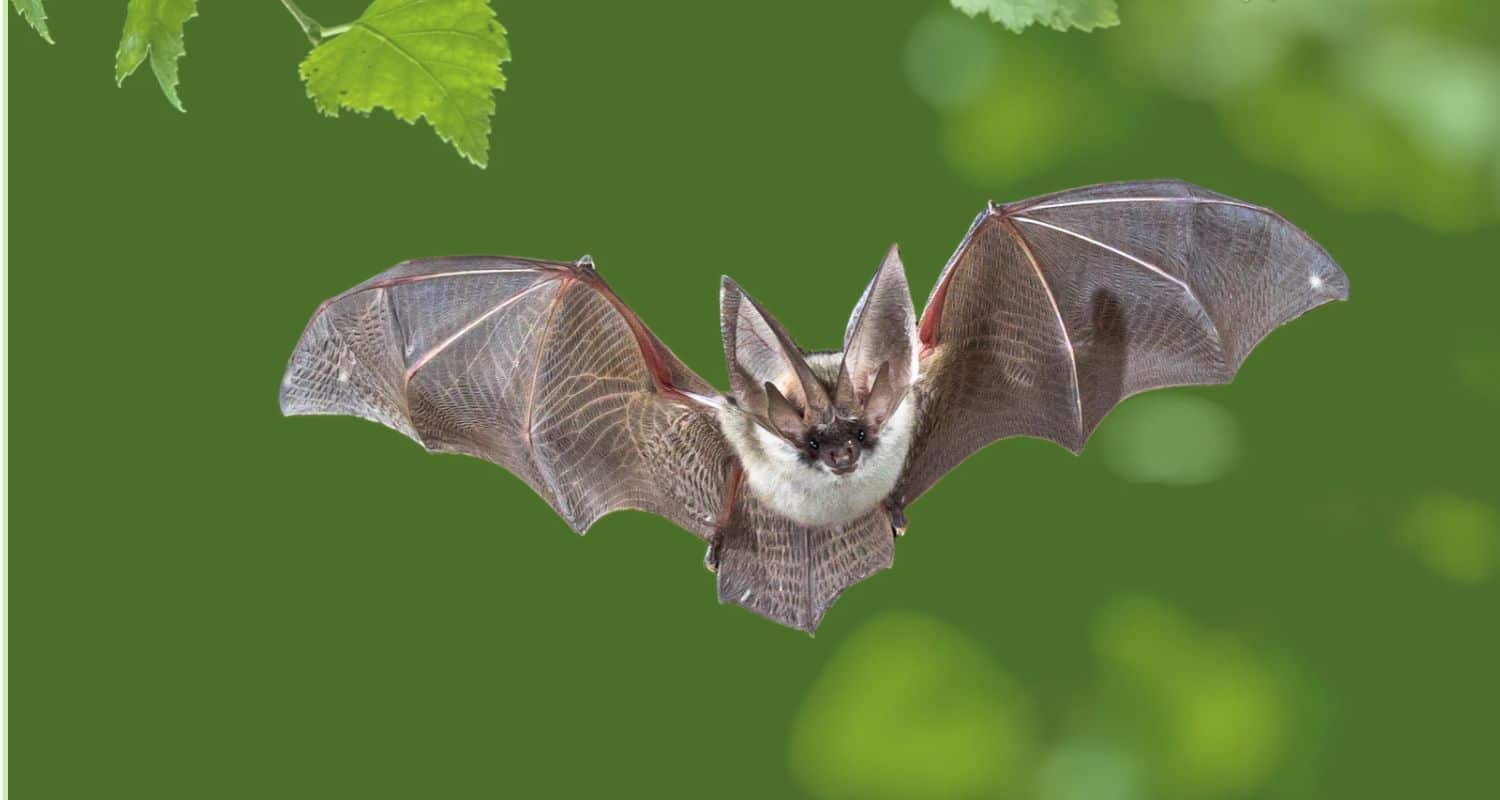
A bat bite often does not look like a bite at all. Because bats have such tiny, needle-thin teeth, the mark left behind is usually no bigger than a pinprick: a tiny red dot or a faint scratch that can fade within 30 to 60 minutes. Some people never see a mark at all, even though they were bitten.
That is exactly why bat bites are considered a medical concern first and a pest concern second. If you woke up in a room with a bat, or handled one directly, the safest move is to assume contact happened and call your doctor, even if your skin looks untouched.
Small, Easy to Miss, and Not Always Painful
Bat teeth are built for lapping up insects, not tearing flesh, so a bite typically shows up as:
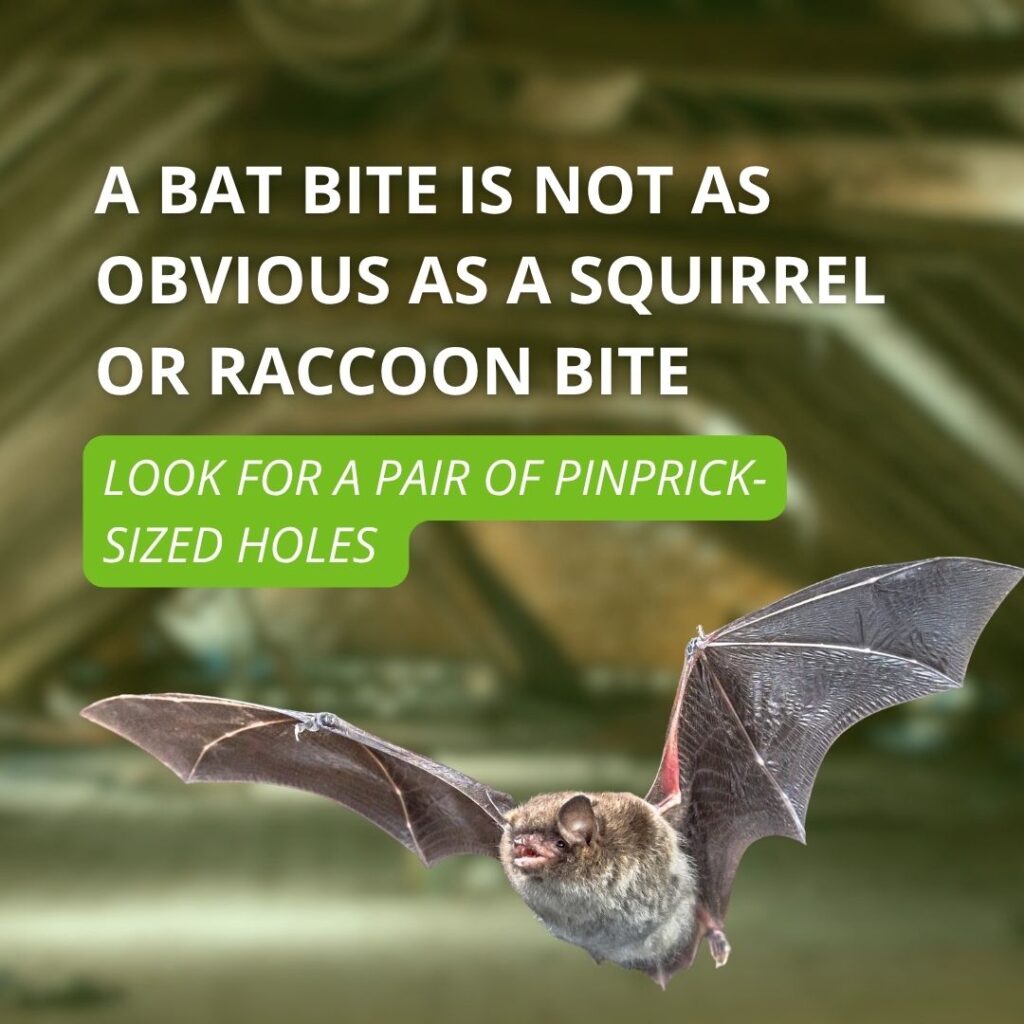
- A single tiny puncture or a pair of pinprick-sized holes
- Slight redness with little to no swelling
- Little to no bleeding
- Minimal pain, sometimes described as a light pinch or nothing at all
Because the marks are so faint, a bat bite is one of the few animal bites where “I don’t see anything” does not rule out that a bite happened. That single fact drives most of the medical guidance around bats, and it is worth repeating to anyone who calls in about a bat encounter.
Why Bat Bites Are So Hard to Spot
A few things work together to make bat bites nearly invisible:
- Tooth size. A bat’s teeth are only a few millimeters long, far smaller than the teeth of a raccoon, squirrel, or even a large spider.
- Sleep encounters. Many bat exposures happen while a person is asleep. The bite itself can be light enough that it does not wake anyone up.
- Fast healing. The skin at the bite site closes quickly, so any visible mark can disappear well before a person thinks to check for one.
- No blood trail. Unlike a dog or cat bite, there is usually little to no bleeding to draw attention to the spot.
This is different from most wildlife encounters homeowners deal with. A raccoon or squirrel bite is obvious. A bat bite might not be.
Bat Bites Compared to Other Common Bites
Homeowners often ask how a bat bite compares to bites from other pests they are more familiar with. Here is a quick side-by-side.
| Bite Source | Typical Appearance | Pain Level | Main Health Concern |
| Bat | Pinprick or faint scratch, may vanish in under an hour | Minimal to none | Rabies |
| Mosquito | Raised, itchy bump | Mild itching | Irritation, rare disease transmission |
| Spider (non-venomous) | Small red bump, sometimes two marks | Mild to moderate | Local irritation |
| Rodent (mouse or rat) | Visible puncture, may bleed | Noticeable | Bacterial infection, rare disease |
| Raccoon | Clear puncture wounds, often bleeding | Significant | Rabies, bacterial infection |
The key takeaway from this comparison is that bat bites break the normal pattern. With almost every other pest or wildlife bite, the severity of the wound gives you a sense of how worried to be.
With bats, the wound tells you almost nothing, and the disease risk behind it is one of the most serious of any animal in North America.
What a Bat Bite Can Look Like
If a mark is visible, it will typically progress like this:
- Immediately after contact: One or two tiny red dots, similar to a pinprick or a light scratch.
- Within the first hour: The redness may fade noticeably or disappear entirely, especially on drier skin.
- Next day: In most cases, there is nothing left to see. Occasionally, mild irritation or a faint red mark lingers for a day or two.
Because the visible evidence disappears so quickly, doctors and wildlife agencies do not rely on “did you see a bite” as the deciding factor for treatment. They rely on whether physical contact with a bat was possible at all.
Do Bats Bite Without You Knowing?
Yes, and this is one of the more unsettling facts about bats. According to the CDC, bat bites can be so small and shallow that a person may not feel or notice them, particularly during sleep.
This is the main reason health officials in the United States recommend post-exposure treatment for anyone who wakes up with a bat in the room, even without a visible bite or scratch.
What To Do If You Suspect a Bat Bite
If you think you or a family member may have been bitten or scratched by a bat, take these steps right away:
- Wash the area thoroughly with soap and water for several minutes.
- Do not try to capture or kill the bat with your bare hands.
- If it is safe to do so, and only with proper protection, try to safely contain the bat so it can be tested for rabies. Do not risk another bite to do this.
- Call your doctor or local emergency department the same day. Do not wait for symptoms.
- Contact your county health department to report the exposure.
- Once the immediate health steps are handled, call a licensed wildlife control company to find out how the bat got in and prevent it from happening again.
Rabies is treatable if post-exposure care starts before symptoms appear, but once symptoms begin, it is almost always fatal. That single fact is why medical professionals treat any possible bat contact seriously, even without a visible wound.
Why Bats End Up Indoors in the First Place
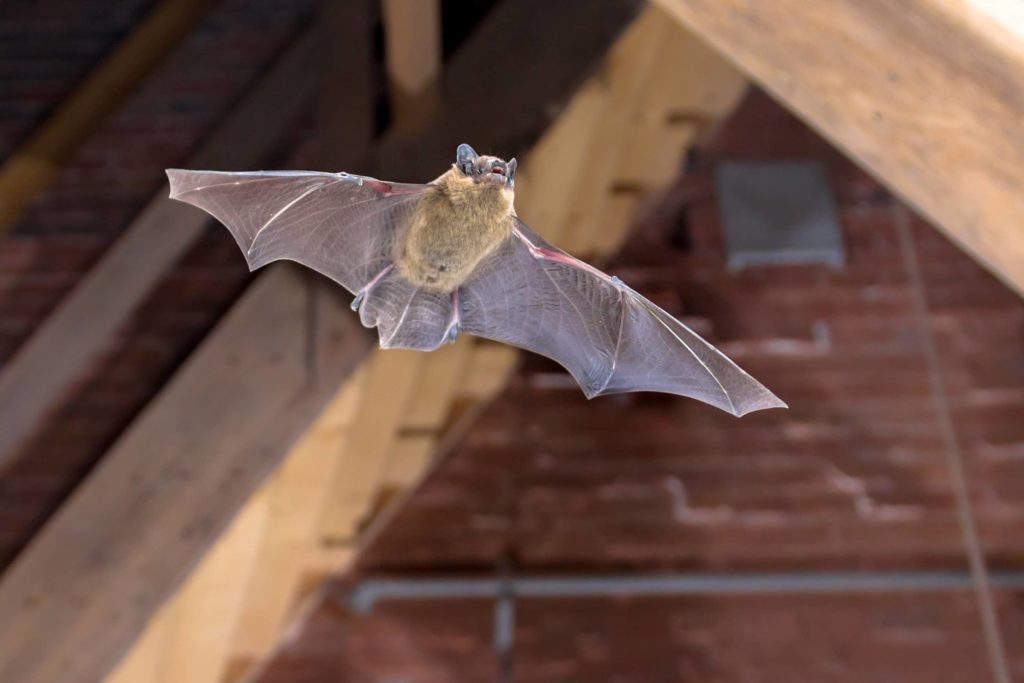
Bats do not target homes out of aggression. They are looking for a warm, dark, enclosed space to roost, and attics, soffits, chimneys, and gaps around rooflines fit the bill perfectly. A single gap as small as three-eighths of an inch, about the width of a pencil, is enough for some bat species to squeeze through.
Once inside, a bat may end up in a living space simply by following light or air currents, which is how many indoor encounters happen in the first place.
Homeowners who have recently had an attic or exterior inspection sometimes learn about small roofline gaps or soffit damage before a bat problem ever starts, which is one more reason routine home inspections and pest prevention tend to go hand in hand.
When to Call a Professional
Handling a bat encounter has two separate tracks, and both matter.
Medical Care First
If a bite or scratch is possible, or if you find a bat in a room with a sleeping person, a young child, someone intoxicated, or a pet, contact a doctor or your local health department immediately. This is not a step to delegate to a pest control company.
Wildlife Removal Next
Once the immediate health question is addressed, a licensed wildlife control provider should handle the bat itself. Bats are protected under many state and federal regulations, so removal and exclusion have to be done correctly and, in many cases, during specific times of year to avoid trapping young bats inside a structure.
All South Pest Control’s wildlife control services include humane bat exclusion, entry point sealing, and inspection to help make sure the problem does not come back.
Related Questions to Explore
- Can a bat bite you without breaking the skin? Yes. A bat’s teeth can leave no visible mark at all, or only a very faint scratch, even after contact with skin. This is a major reason health officials recommend treatment based on possible exposure rather than visible injury.
- How long does it take for rabies symptoms to appear after a bat bite? Symptoms typically appear anywhere from a few weeks to a few months after exposure, though the range can vary. This delay is exactly why post-exposure treatment is given right away instead of waiting to see if symptoms develop.
- What percentage of bats carry rabies? Only a small percentage of the overall bat population carries rabies. However, bats that are grounded, acting erratically, or easy to approach have a much higher likelihood of being sick, which is part of why direct contact should always be treated as a risk.
- Should I try to catch the bat myself? Only if it can be done safely, such as by containing it in a room and covering it with a box or container without touching it. Never handle a bat with bare hands. If there is any doubt, prioritize leaving the room, closing it off, and contacting animal control or a wildlife professional.
- Are bats aggressive toward people? No. Bats generally avoid humans and bite only when they feel threatened, cornered, or are being handled. Most bites happen when someone tries to touch, move, or capture a bat rather than from unprovoked attacks.
Conclusion
A bat bite is one of the few wildlife injuries where the smallest, quietest mark can carry the biggest risk. If there is any chance of contact with a bat, do not wait for a visible wound to decide whether to act. Get medical guidance first, then bring in a licensed wildlife team to find out how the bat got inside and make sure it does not happen again.
If you have found a bat in your home in the Atlanta or McDonough, GA area, All South Pest Control’s wildlife specialists can help you seal entry points and prevent future encounters. Schedule a wildlife inspection today.

Recent Comments