

The fastest way to kill a stink bug is to drop it into a cup of soapy water. The soap breaks the surface tension; the bug sinks, and it drowns within seconds without ever triggering its defensive stink glands.
What you should never do is squish one. A crushed stink bug releases the same chemical it uses to defend itself against predators, and that smell can linger on carpet, curtains, and furniture for days.
Never Just Squish a Stink Bug
Stink bugs have scent glands on the underside of their thorax that release a strong, musty, almost cilantro-like odor when the bug feels threatened. Stepping on one, swatting it, or crushing it with a tissue triggers that same defense response.
Worse, the odor can attract other stink bugs to the same spot, which is the opposite of what most homeowners want.
Quick rule of thumb: If a method involves any pressure or impact, skip it.
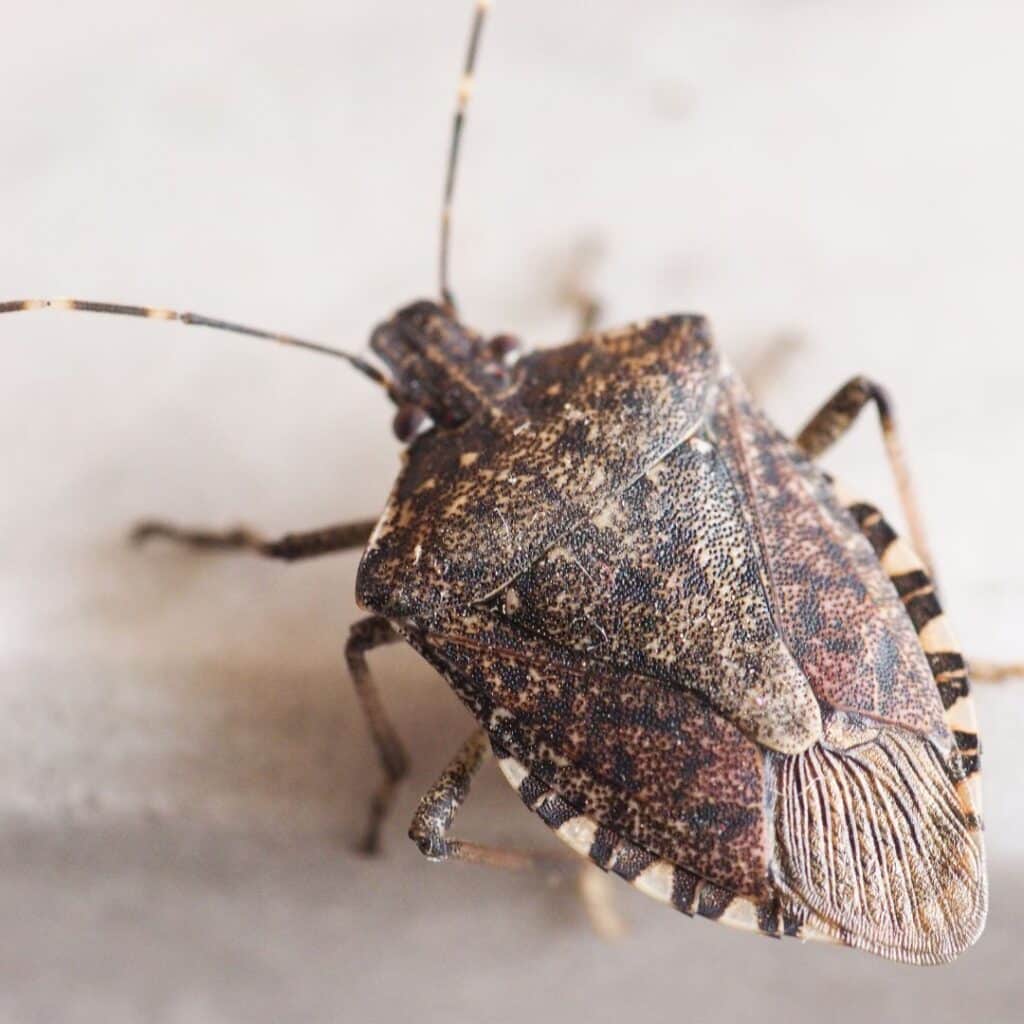
Identifying the Stink Bug You’re Dealing With
Not every shield-shaped bug in your home is the same species, and knowing which one you have affects how big a concern it actually is.
| Feature | Native Stink Bugs | Brown Marmorated Stink Bug (Invasive) |
| Color | Often green or brown, varies by species | Mottled brown with white banding on antennae |
| Origin | Native to North America | Introduced from Asia, first found in the U.S. in the late 1990s |
| Behavior | Generally stay outdoors, feed on garden plants | Aggressively seeks shelter indoors in large numbers during fall |
| Home impact | Occasional, low numbers | Can appear in the dozens or more, clustering on sun-warmed walls |
The brown marmorated stink bug is the species most responsible for the large indoor swarms homeowners complain about each fall.
If you are seeing more than a handful at a time, this invasive species is the more likely culprit, and it behaves differently enough from native stink bugs that prevention strategies matter even more.
The Best Ways to Kill Stink Bugs Without the Smell
1. Soapy Water Drop
The most reliable method for stink bugs is to catch one at a time.
- Fill a cup or small bowl with warm water.
- Add two to three tablespoons of dish soap.
- Use a piece of paper, a cup, or tongs to drop the bug into the water.
The soap breaks the surface tension of the water, so the bug cannot float or climb out. It drowns quickly and quietly, with almost no odor released.
2. Wet-Dry Vacuum with Soapy Water
For a heavier presence, especially on window sills, screens, or siding, a shop vacuum works better than a standard household vacuum.
- Add a small amount of soapy water to the vacuum canister before you start.
- Vacuum the stink bugs directly into the wet canister.
- Empty the canister outside when finished, away from the house.
A dry vacuum bag lets stink bugs survive and release odor that can circulate through your home’s air. The wet method causes them to die on contact, which keeps the smell contained.
3. Light Trap for Larger Numbers
Stink bugs are drawn to light, which makes this method useful for an active infestation.
- Fill a shallow pan with soapy water.
- Place it beneath a lamp or nightlight overnight.
- Bugs attracted to the light will fall in and drown.
4. Freeze and Discard
If bugs are outside or in an unheated space like a garage, cold works in your favor. Near or below freezing temperatures will kill stink bugs without any chemicals or contact needed.
Do Natural Remedies Actually Work?
Homeowners often ask about natural alternatives before reaching for soapy water or a vacuum, and it is worth being clear about what these actually accomplish.
- Essential oils (peppermint, clove, lemongrass): These can act as a mild repellent when applied near entry points, but they do not kill stink bugs already inside and need frequent reapplication to stay effective. Think of them as a supplement to sealing gaps, not a replacement for it.
- Dryer sheets: Some homeowners rub dryer sheets on window screens or tuck them into cracks, based on the idea that stink bugs dislike the scent. Results are inconsistent, and this method has no real research backing it compared to sealing and physical removal.
- Vinegar sprays: Diluted vinegar can kill stink bugs on direct contact in some cases; however, it does nothing for bugs it does not directly touch and carries the same risk of triggering the defensive odor if the bug is disturbed rather than fully soaked.
- Diatomaceous earth: This fine powder can damage a stink bug’s exoskeleton over time, leading to dehydration. It works slowly and needs to stay dry to remain effective, which limits its usefulness in humid or wet areas.
None of these natural options match the reliability of soapy water, a wet vacuum, or sealing entry points, but they can play a supporting role for homeowners who want to minimize chemical use around the home.
What Not to Do
| Method | Why to Avoid It |
| Squishing or swatting | Releases odor that lingers for days and can attract more stink bugs |
| Standard bagged/bagless vacuum | Bugs can survive and release odor into the vacuum and your air |
| Most store-bought contact sprays | Often less effective than soapy water and adds unnecessary chemicals indoors |
| Flushing down the toilet | Can clog plumbing in larger numbers and does not address the source |
Indoor vs. Outdoor Approach
Where you find the stink bugs changes the best plan of attack.
- Indoors: Stick to soapy water, a wet-dry vacuum, or a light trap. The goal is to remove them without releasing odor into your living space.
- Outdoors: You have more flexibility. Freezing temperatures, soapy water sprays directly on the bug, and physical removal are all fair game since any smell dissipates outside.
It’s also worth noting that most consumer insecticide sprays labeled for general use are not particularly effective against stink bugs specifically.
Their hard, shield-like exoskeleton offers more resistance to standard contact sprays than soft-bodied insects, which is part of why physical removal methods tend to outperform chemical ones for this particular pest.
Why You Keep Finding Stink Bugs
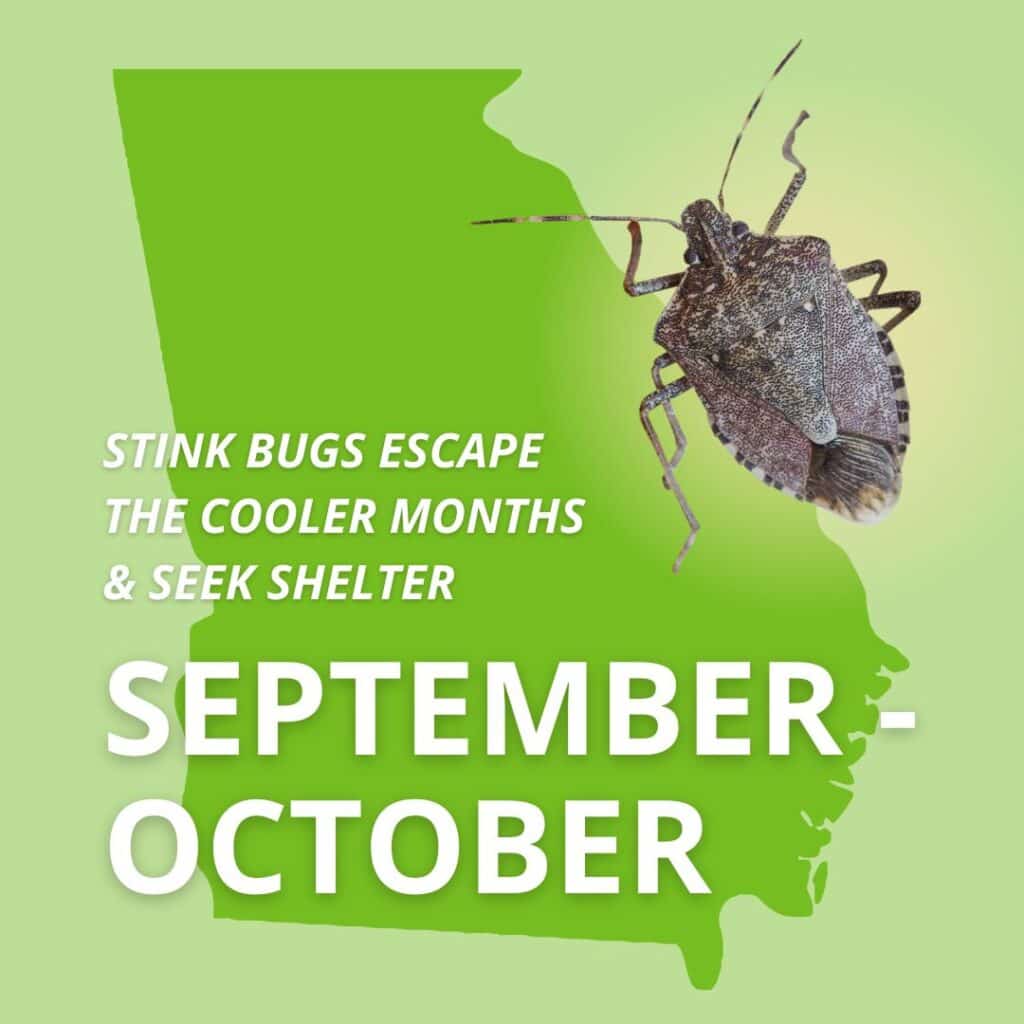
Killing the stink bugs you see is only half the job. Stink bugs are overwintering pests, meaning they seek out warm, protected spaces in the fall to survive the colder months, then re-emerge in spring looking for a way back outside. That cycle repeats every year unless the entry points get addressed.
Common entry points include:
- Gaps around window and door frames
- Unsealed utility openings (cable lines, pipes, vents)
- Damaged screens
- Gaps around soffits and rooflines
- Cracks in siding or foundation
Sealing these points with weatherstripping and caulk is one of the most effective long-term fixes, alongside fine-mesh screens on attic vents.
Homeowners going through a home inspection often get a head start here, since inspectors frequently flag the same gaps and seals that let pests like stink bugs inside in the first place.
A Seasonal Prevention Checklist
Because stink bugs follow a predictable seasonal pattern, prevention works best. It needs to be timed ahead of the fall rush rather than tackled after bugs are already inside.
- Late summer: Walk the exterior and seal any visible gaps around windows, doors, utility lines, and siding before outdoor populations start looking for shelter.
- Early fall: Check and repair window and door screens, and confirm attic and soffit vents have intact fine mesh covering them.
- Mid-fall: Keep an eye on sunny, south- and west-facing exterior walls, which tend to warm up fastest and attract the heaviest clustering.
- Winter: Indoor stink bugs found during cold months are typically ones that got in during fall and are now inactive in wall voids or attic spaces; removal methods stay the same, just expect fewer of them moving around.
- Spring: Overwintering stink bugs become active again and attempt to head back outside, which is when many homeowners notice a second, smaller wave indoors.
Treating this as a year-round cycle rather than a one-time fall problem is what actually breaks the pattern of finding new bugs every autumn.
Related Questions to Explore
- Do stink bugs bite or sting? No. Stink bugs do not bite or sting people or pets. Their only defense is the odor released from glands on their body, which is a deterrent, not a physical attack.
- Why do I suddenly have so many stink bugs in my house? A sudden increase, especially in fall, usually means stink bugs are seeking overwintering shelter as outdoor temperatures drop. They cluster on sun-warmed exterior walls before finding a way inside through small gaps.
- What smells do stink bugs hate? Essential oils like peppermint, clove, and lemongrass are sometimes used as natural deterrents. They can help as a supplement to sealing entry points, but they are not a reliable standalone solution for an active problem.
- Are stink bugs harmful to my home? Stink bugs are considered a nuisance pest rather than a structural threat. They do not damage wood, wiring, or the structure of a home the way termites or carpenter ants can, but they can damage garden plants and crops outdoors.
- Will killing stink bugs attract more of them? Crushed stink bugs release a pheromone-like odor that can draw other stink bugs to the same area. This is one more reason non-crushing methods like soapy water are the better choice.
- Do stink bugs lay eggs indoors? Generally, no. Stink bugs that come indoors in the fall are seeking shelter for the winter, not looking to reproduce, and typically do not lay eggs inside a home. Egg-laying happens outdoors during the warmer growing season, usually on the underside of leaves.
- How long do stink bugs live indoors? Once inside for the winter, stink bugs enter a dormant state and can survive for months without feeding. This is why they seem to “appear” again in spring. The same bugs that came in during fall are simply becoming active again as temperatures warm.
- Can stink bugs damage my house? Stink bugs do not chew through wood, wiring, or building materials the way termites or carpenter ants can, so they pose no structural risk. Their impact on a home is limited to the nuisance of large indoor numbers and, if crushed, the odor left behind on surfaces and fabric.
When to Call a Professional
DIY methods work well for the occasional stink bug or two. If you are finding dozens at a time, especially clustered on sunny, south-facing walls in the fall, that is a sign of an active overwintering population rather than a one-off bug that wandered in.
At that point, a professional pest control treatment can address both the bugs already inside and the entry points letting new ones in. This is difficult to fully tackle with soapy water alone.
The Bottom Line
Soapy water, a wet vacuum, or a light trap will handle stink bugs without the smell. But if you are dealing with a recurring or large-scale problem, the bugs you can see are usually a symptom of gaps and openings the pests are using to get inside every year.
If stink bugs keep finding their way into your Atlanta or McDonough, GA home, All South Pest Control can identify the entry points.
Call us and set up a treatment plan to keep them out for good.

Recent Comments