
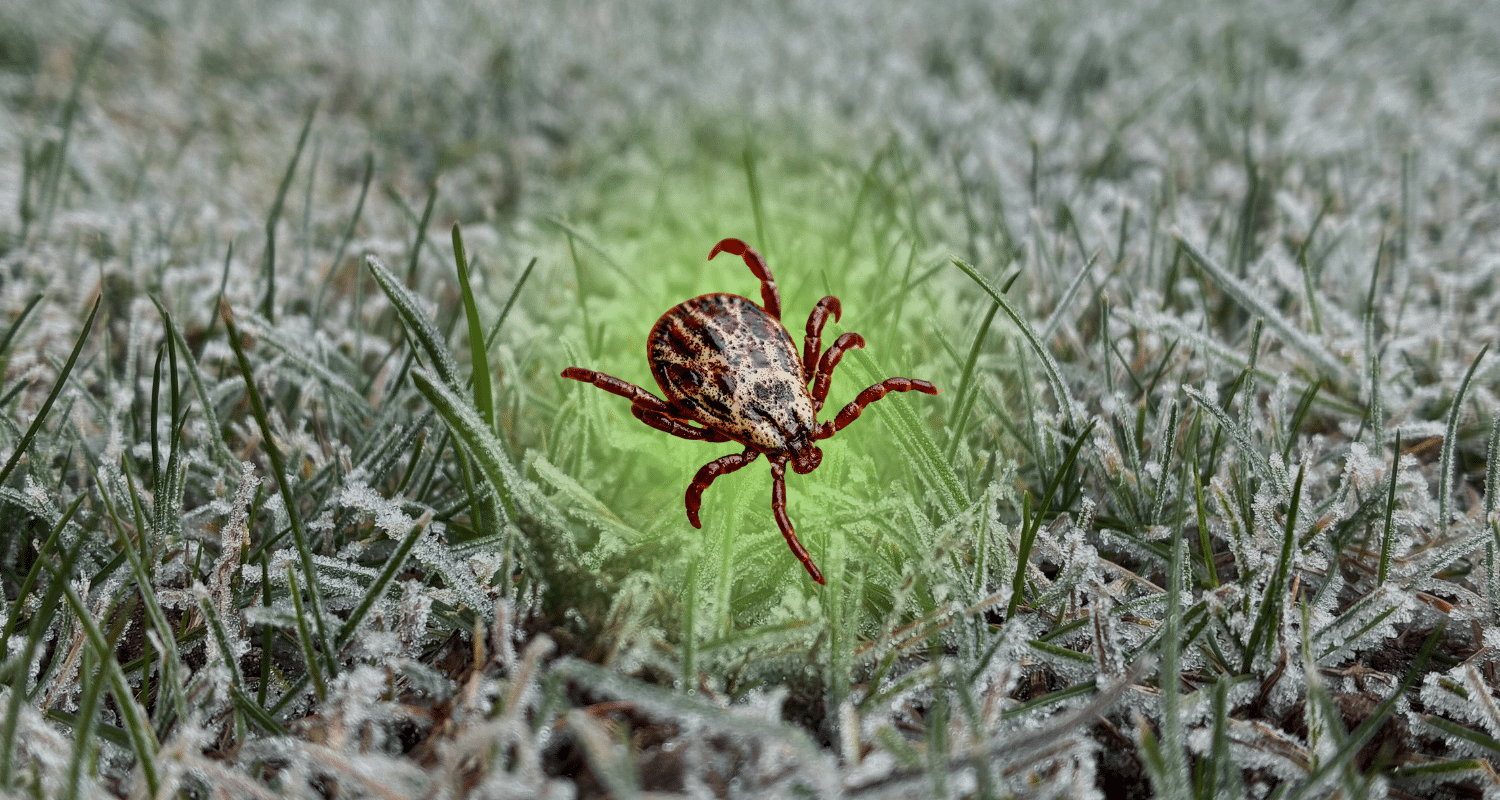
When cold weather arrives, many homeowners assume pest problems disappear. After all, freezing temperatures seem like they should wipe out insects and parasites. Ticks, however, do not always follow that rule. So, do ticks die in winter?
The honest answer is that some do, but many survive. In fact, ticks are far more resilient than most people realize.
Instead of dying off, they often hide, slow down, and wait for better conditions. This matters because tick bites pose real risks to people and pets.
In this guide, homeowners will learn how ticks survive winter, when they stay active, and why winter is a critical time for prevention.
You will also learn what other pests commonly invade homes during colder months and when professional help becomes the smartest option.
Do Ticks Die in the Winter Naturally?
According to the Centers for Disease Control and Prevention, ticks are responsible for spreading more diseases in the United States than any other arthropod.
That risk does not completely disappear in winter, especially in Southern states. Some ticks die in winter, but many survive by entering a dormant state.
Cold weather does kill a portion of the tick population. However, winter conditions alone rarely eliminate ticks. Instead of dying off at the first freeze, ticks adapt.
Ticks enter a resting phase called diapause. During this time, their metabolism slows, and they stop actively seeking hosts. This allows them to conserve energy and survive long periods without feeding.
As a result, homeowners should not assume winter equals safety. Ticks that survive cold months often reappear quickly once temperatures rise.
How Ticks Survive Cold Weather
Ticks survive winter by sheltering in insulated environments that protect them from extreme cold.
Ticks rely on their surroundings to survive harsh weather. They do not burrow deep underground, but they do take advantage of natural insulation.
Common winter hiding places include:
- Leaf litter and mulch beds
- Tall grass and unmanaged yard edges
- Soil near foundations
- Woodpiles and brush
- Crawl spaces and sheds
- Wildlife hosts such as deer, mice, and squirrels
Because leaves, soil, and snow trap heat, temperatures where ticks hide stay warmer than the air above. Even when the air freezes, ticks below the surface often remain alive.
Why Do Yard Conditions Matter?
Yards with heavy debris provide ideal winter shelter. Properties near wooded areas or with frequent wildlife activity face higher tick survival rates.
Therefore, winter yard maintenance plays a bigger role in tick control than many homeowners expect.
What Temperatures Actually Kill Ticks?
Ticks usually die only after prolonged exposure to extreme cold, not brief freezes.
A single cold night does little to reduce tick populations. Most ticks die only when temperatures stay below 10 degrees Fahrenheit for several consecutive days.
That level of sustained cold is uncommon across much of the Southeast.
According to the University of Maine, blacklegged ticks can survive winter by hiding under leaf litter and snow cover, which prevents lethal freezing.
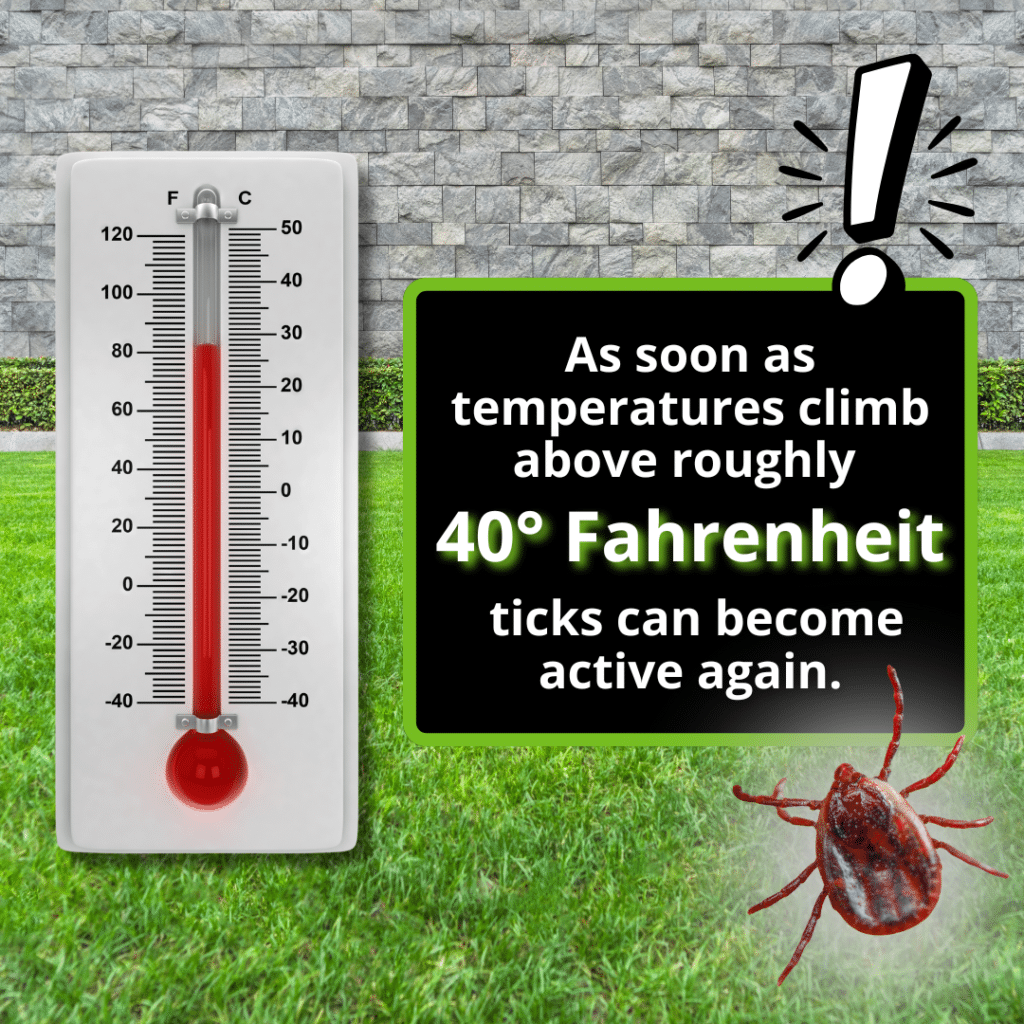
As soon as temperatures climb above roughly 40 degrees Fahrenheit, ticks can become active again.
Why Winter Cold Often Fails?
Short cold snaps may slow ticks down, but they rarely kill enough to matter. This explains why homeowners sometimes find ticks on warm winter days or early in spring.
In short, winter weather alone is unreliable pest control.
Are Ticks Active During Winter in the South?
Yes, ticks can remain active during winter in Southern climates.
Southern winters often fluctuate between cold and mild temperatures. While ticks slow down during colder periods, warm days allow them to move and seek hosts.
This means tick activity can continue throughout winter, especially during sunny afternoons. Pets, hikers, and homeowners working outdoors remain at risk.
In many Southern service areas, pest professionals still encounter tick issues well outside traditional tick season. As a result, year-round awareness becomes essential.
Mild Winters Mean Longer Exposure
When winters stay mild, ticks:
- Wake earlier in spring
- Stay active later into the fall
- Increase overall exposure time
For homeowners, this extended season raises the importance of prevention and monitoring, even during colder months.
Where Homeowners Still Encounter Ticks in Winter
Most winter tick encounters happen through pets, wildlife, and sheltered areas around the home.
Even in winter, ticks find ways to reach people and animals. Common situations include:
- Dogs picking up ticks during walks
- Wildlife carrying ticks near homes
- Ticks hiding near patios, decks, and sheds
- Ticks entering crawl spaces or garages
- Ticks hitching rides indoors on clothing
Pets create the biggest risk. Dogs often brush against dormant ticks hidden in grass or leaves. Once inside, ticks can crawl off and hide in carpets, bedding, or furniture.
Because of this, indoor tick sightings do happen during winter.
Why Winter Pest Activity Often Goes Unnoticed
Pests do not disappear in winter, but reduced movement makes them harder to spot.
Cold weather pushes many pests into hiding. Instead of actively roaming, they shelter inside walls, soil, insulation, and quiet spaces.
As a result, homeowners believe the problem is gone. Unfortunately, hidden pests continue to survive and reproduce at lower levels.
This applies to ticks as well as rodents, cockroaches, and spiders. When spring arrives, these hidden populations rebound quickly, often leading to sudden infestations.
Winter prevention stops that cycle before it begins.
What Other Pests are Common in Homes During Winter?
Winter drives many pests indoors in search of warmth, food, and shelter.
Ticks are not the only concern during colder months. Homeowners often see an increase in indoor pest activity from:
- Mice and rats seeking warmth
- Cockroaches in search of food and moisture
- Spiders moving into quiet indoor spaces
- Ants nesting inside walls
- Overwintering insects like stink bugs
Why Winter Increases Indoor Infestations
As outdoor resources disappear, pests turn to homes for survival. Small gaps around doors, windows, vents, and foundations provide easy access.
Interestingly, many winter pest prevention steps also reduce tick risks. Sealing entry points, reducing moisture, and managing outdoor debris help control multiple pests at once.
Why Winter is the Best Time for Tick Prevention
Preventing ticks in winter reduces populations before peak seasons begin.
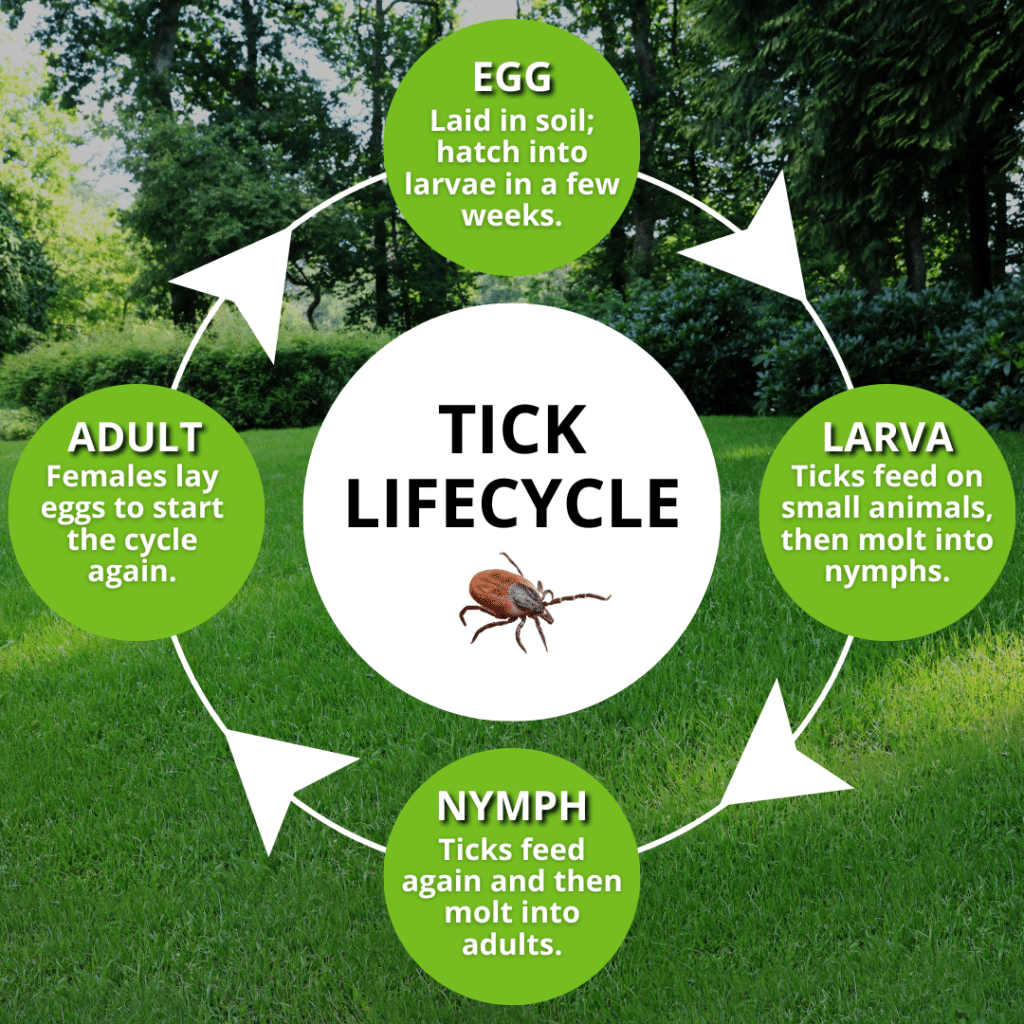
Winter prevention focuses on breaking the tick life cycle. When fewer ticks survive winter, fewer emerge in spring and summer.
Benefits of winter tick prevention include:
- Lower tick populations during warm months
- Reduced risk to pets and family members
- Easier control before infestations grow
Many homeowners wait until ticks become visible again. By then, control becomes harder and more expensive. Acting early delivers better long-term results.
How Professional Tick Control Helps Year-Round
Professional tick control targets hidden pests and prevents reinfestation.
DIY methods often focus on what homeowners can see. Unfortunately, ticks spend most of their lives hidden.
Professional services address:
- Hidden tick habitats
- Wildlife movement patterns
- Property-specific risk factors
- Seasonal prevention planning
DIY vs Professional Tick Control
| Feature | DIY Methods | Professional Tick Control |
| Reaches hidden ticks | Limited | Yes |
| Long-term prevention | No | Yes |
| Safe application methods | Inconsistent | Regulated and trained |
| Wildlife risk assessment | No | Yes |
| Seasonal strategy | Rarely | Always |
Because tick control often overlaps with rodent and wildlife management, professional services provide broader protection year-round.
What Homeowners Can Do Right Now
Simple winter actions significantly reduce tick risk.
Homeowners should take these steps immediately:
- Remove leaves, brush, and debris
- Trim back overgrown yard edges
- Store firewood away from the home
- Keep pets on year-round tick prevention
- Seal crawl spaces and foundation gaps
Even modest cleanup removes the insulation ticks rely on for survival. When combined with professional support, these steps dramatically reduce risk.
Related Questions
Do ticks die in freezing temperatures?
Some ticks die in freezing temperatures, but many survive unless the cold lasts for several days. Short freezes usually slow ticks down rather than kill them because they hide in insulated areas like soil and leaf litter.
Do ticks die in winter on dogs?
No, ticks do not die in winter on dogs. A dog’s body heat allows ticks to survive and feed year-round, even during cold weather.
When do ticks become active again after winter?
Ticks become active again when temperatures rise above about 40 degrees Fahrenheit. In mild climates, this can happen on warm winter days or early in spring.
How long can ticks survive without a host?
Ticks can survive for months without a host. Some species live close to a year without feeding, which allows infestations to return after long periods of inactivity.
What attracts ticks to residential yards?
Ticks are attracted to tall grass, leaf piles, shaded areas, and wildlife activity. Poor yard maintenance creates an ideal shelter for ticks to survive.
How does professional tick control work year-round?
Professional tick control targets hidden habitats and disrupts the tick life cycle through ongoing prevention rather than seasonal treatments alone.
When to Call a Professional
Call a professional if you see ticks in winter or want to prevent spring infestations.
Professional help makes sense when:
- Ticks appear on pets or indoors
- Your property borders wooded areas
- Tick problems return every year
- You want proactive, seasonal protection
Early inspections help identify risks before infestations grow.
Conclusion
So, do ticks die in winter? Some do, but many survive by hiding and slowing down. In the South, winter rarely gets cold enough to eliminate ticks.
Winter is not a break from pest problems. Instead, it is an opportunity to prevent bigger issues later.
By managing yard conditions, protecting pets, and working with a professional pest control provider, homeowners can reduce tick activity and protect their families year-round.
If you want help controlling ticks or other winter pests, All South Pest Control offers solutions designed for local conditions.

Recent Comments