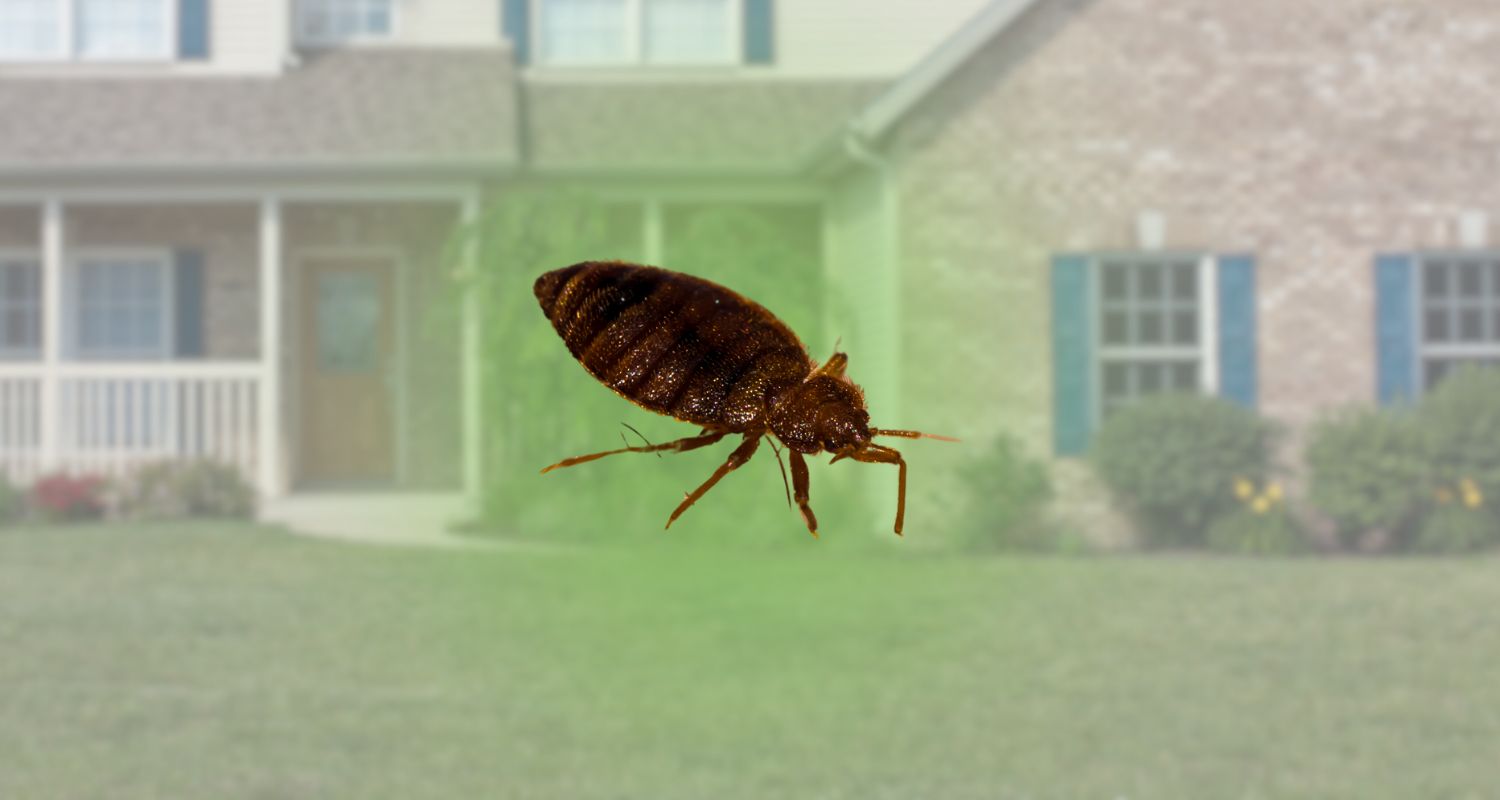
If you are wondering what causes bed bugs, the answer comes down to one thing: someone carries them inside. They do not come from dirt, pets, or your yard. Instead, they hitch a ride on luggage, clothing, used furniture, or a guest’s bag, then settle in near the people they feed on.
At All South Pest Control, Metro South Atlanta homeowners often ask us, “Did I do something wrong?” The answer is almost always no. Below, we cover what causes bed bugs to appear, what attracts them, the early signs to check for, and how to keep them out.
Where Do Bed Bugs Come From?
Bed bugs come from other infested places, and they travel on people and their belongings. They can’t fly or jump, so they rely on us to move them. The CDC explains that bed bugs spread by crawling into the seams and folds of luggage, overnight bags, and folded clothes.
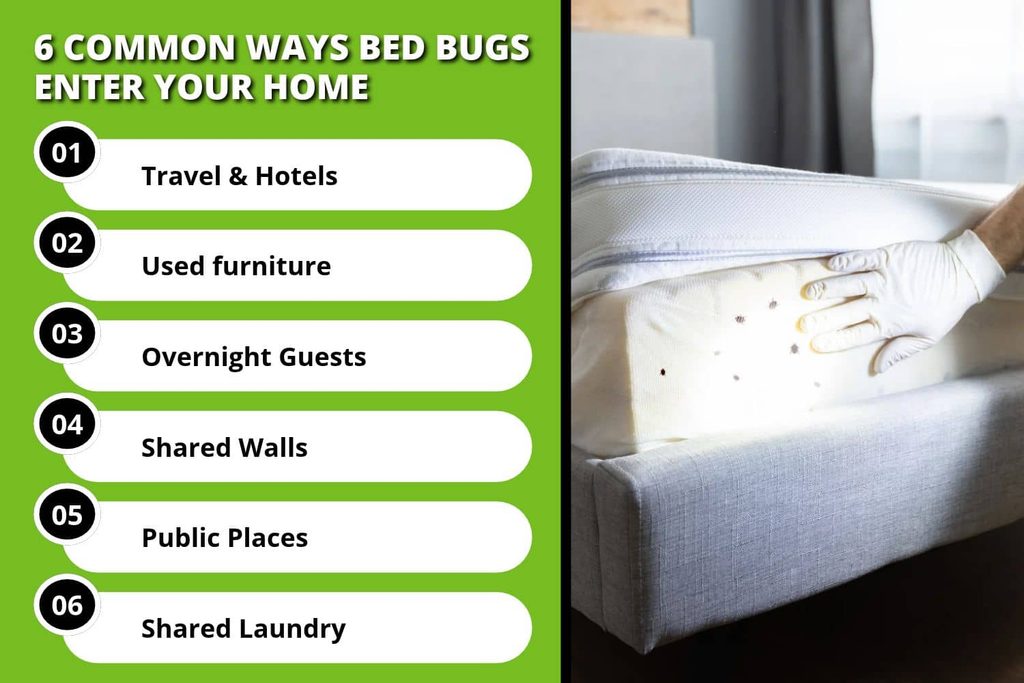
Here are the six most common ways bed bugs get into a home.
1. Travel and Hotel Stays
Hotels are the classic source. Bed bugs hide in mattress seams, headboards, and luggage racks, then crawl into your suitcase while you sleep. This happens in budget motels and five-star resorts alike. With one of the busiest airports in the world and hotels lining I-75, Metro Atlanta sees a lot of travelers coming and going.
2. Used Furniture and Mattresses
That free couch on the curb or bargain bed frame from a yard sale may look fine but still hold eggs and bugs in its cracks. UGA Extension warns that secondhand and roadside furniture is a common way bed bugs enter homes.
3. Guests and Visitors
Overnight guests, including college students home from a dorm, can bring bed bugs in their bags or coats without knowing it.
4. Apartments and Shared Walls
In apartments, condos, and townhomes, bed bugs can crawl between units through wall voids, outlets, and gaps around pipes. If a neighbor has them, you can get them too. If you rent, tell your landlord or property manager right away. The units next to, above, and below yours usually need to be checked as well, or the bugs can keep coming back.
5. Public Places
Movie theaters, buses, trains, offices, and schools can pick up a stray bed bug. The risk is lower because bed bugs prefer places where people sleep.
6. Laundromats and Shared Laundry
Clothes from an infested home can drop bed bugs in shared washers, dryers, and folding tables. Fold your laundry at home when you can, and don’t leave baskets sitting on the floor.
| Source | Risk Level | Simple Prevention Tip |
|---|---|---|
| Hotels and travel | High | Check the mattress seams and keep luggage on a rack, not the bed |
| Used furniture | High | Inspect every seam and crack before it comes inside |
| Shared walls (apartments) | Medium to high | Seal gaps around outlets and pipes |
| Guests and visitors | Medium | Offer a luggage rack instead of the bed or couch |
| Public places | Low to medium | Keep bags off the floor and seats |
| Shared laundry | Low to medium | Carry clean clothes home in a sealed bag |
What Attracts Bed Bugs (and What Doesn’t)
Bed bugs are attracted to you, not to dirt. According to the EPA, they are drawn to warmth, blood, and the carbon dioxide we breathe out. That is why they gather near beds and couches.
Common myths we hear:
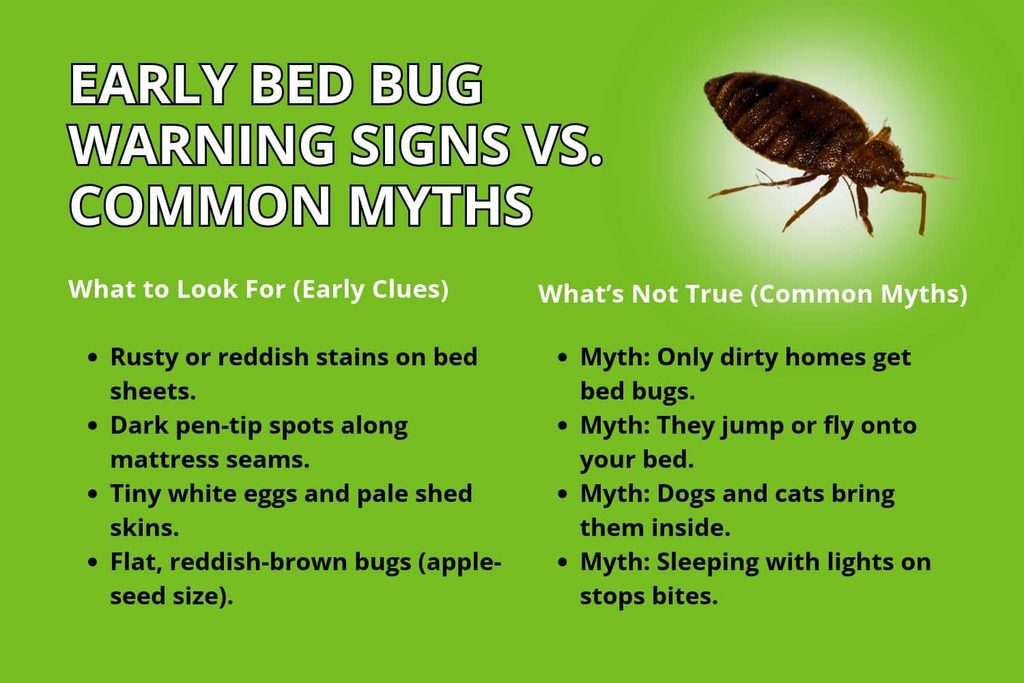
- Myth: A dirty house is what causes bed bugs. The CDC states that how clean a place is does not decide whether bed bugs show up. Clutter does make them harder to find and treat, since it gives them more places to hide.
- Myth: Bed bugs come from outside or from pets. Bed bugs live on human blood and stay close to where people sleep. They rarely come in from the yard, and they don’t live on dogs or cats the way fleas do. If you’re not sure which pest you’re dealing with, this guide on how to tell fleas from bed bugs can help.
- Myth: Sleeping with the lights on keeps them away. Bed bugs prefer the dark, but hunger wins. They will still bite.
- Myth: You can’t see bed bugs. Adults are about the size of an apple seed and easy to spot once you know where to look.
Why a Few Bed Bugs Turn Into an Infestation
One pregnant female is enough to start an infestation. According to Clemson University’s Home and Garden Information Center, a female can lay 1 to 5 eggs a day after feeding and 200 or more in her lifetime. Young bed bugs, called nymphs, can grow into egg-laying adults in about 6 to 7 weeks.
Bed bugs are also hard to starve out. The CDC notes they can live several months without a blood meal, so an empty guest room or a stored couch can stay infested for a long time.
Bed bugs are also good at staying hidden. They come out at night to feed on sleeping people, then crawl back into cracks during the day. Many families don’t notice anything for weeks, until bites start showing up or stains appear on the sheets.
Some bed bug populations also resist common store-bought sprays, which is why DIY treatments so often fail.
Early Signs of Bed Bugs
The earliest signs of bed bugs are small stains and specks on your sheets and mattress, not the bugs themselves. Look for:
- Rusty or reddish stains on sheets or pillowcases from crushed bugs
- Dark spots about the size of a pen tip (bed bug droppings) along mattress seams
- Shed skins and tiny white eggs in seams, box springs, and headboard cracks
- Live bugs that are flat, oval, and reddish-brown
- Bites in a line or cluster on your arms, neck, or legs when you wake up
- A musty odor in heavy infestations
Check the mattress piping, box spring, bed frame, headboard, loose wallpaper, and outlets. Our Pest Library has photos to help you identify what you find. Wondering how the bugs reached your bed so fast? Here’s whether bed bugs can jump.
How to Keep Bed Bugs From Getting In
You can’t make your home bed bug-proof, but a few habits cut the risk a lot:
- Inspect hotel rooms first. Pull back the sheets and check the mattress corners and headboard before you unpack.
- Keep luggage off the bed. Use the luggage rack or the bathroom floor.
- Unpack carefully at home. Wash and dry travel clothes on high heat right away, even the clean ones.
- Check secondhand items. Look over every seam and crack before used furniture comes inside.
- Cut the clutter. Fewer piles near the bed means fewer hiding spots.
- Use mattress encasements. A zippered cover traps any bugs inside and makes them easy to spot.
- Seal gaps around outlets, pipes, and baseboards, especially in shared buildings.
- Store suitcases away from bedrooms. After a trip, check your bags and keep them in a garage or closet, not under the bed.
Related Questions to Explore
- Is a dirty house what causes bed bugs? No. Bed bugs feed on blood, not dirt or crumbs, so a spotless home can get them just as easily as a messy one. Clutter only gives them more places to hide.
- Can bed bugs come from outside? It’s rare. Bed bugs stay close to people, not in grass or soil. Most infestations start with something brought indoors, like luggage, furniture, or a guest’s belongings.
- How do bed bugs spread from room to room? They crawl along floors, walls, and wiring, and ride on clothes, bags, and furniture. In apartments, they can move through shared walls.
- Can one bed bug start an infestation? Yes, if it’s a pregnant female. She can lay several eggs a day, and those young can grow into breeding adults in about 6 to 7 weeks.
- What attracts bed bugs to a person? Body heat, blood, and the carbon dioxide in your breath. That’s why they hide near beds and couches, where people stay still for hours.
When to Call a Professional
Call a professional as soon as you find live bugs, eggs, or droppings, or if bites keep showing up after you’ve washed your bedding. Bed bugs are one of the hardest pests to remove on your own. They hide in tiny cracks, survive for months without feeding, and a partial treatment can push them into walls or nearby rooms.
A licensed technician can confirm the problem, find every hiding spot, and build a treatment plan for your home. If you catch a bug, seal it in a clear bag or snap a close-up photo. That makes identification faster.
All South Pest Control is licensed through the Georgia Department of Agriculture and has served McDonough, Stockbridge, Griffin, and the rest of Metro South Atlanta for more than 16 years. If treatment is scheduled, our bed bug prep sheet walks you through getting your home ready.
Conclusion
When looking at what causes bed bugs, cleanliness is never the issue. They’re hitchhikers that move from place to place on people and their things. Keep these points in mind:
- Travel, used furniture, guests, and shared walls are the main ways bed bugs get in.
- They are drawn to warmth, blood, and carbon dioxide, not dirt.
- Catching rusty stains, dark specks, and shed skins early makes treatment much easier.
If you think bed bugs have moved in, don’t wait for them to spread. Explore All South Pest Control’s pest control services or request a quote, and let our team find the source.

Recent Comments